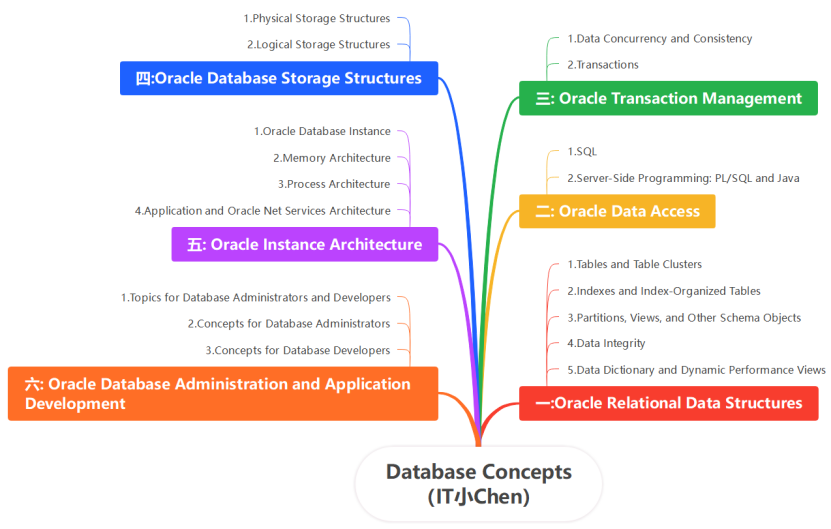
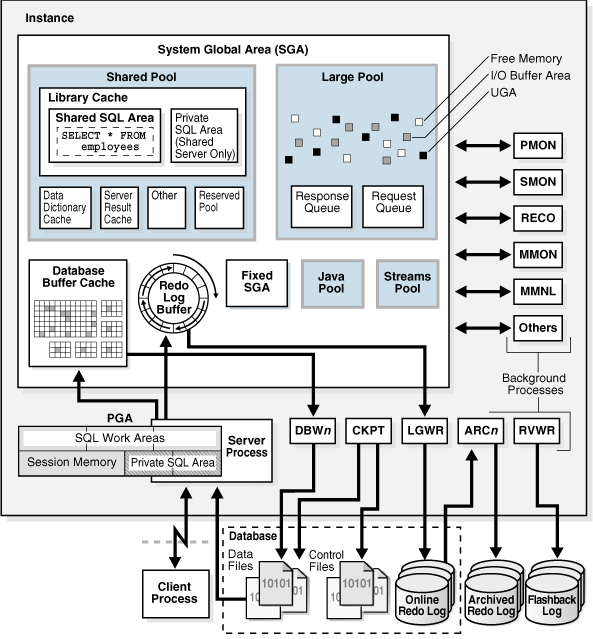
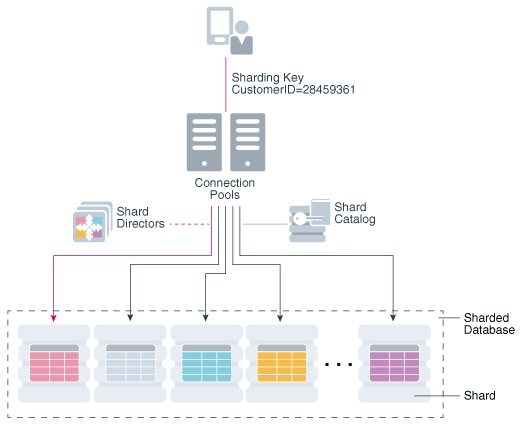
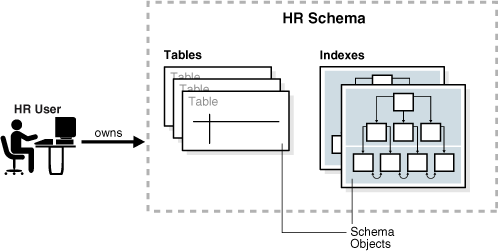
在写技术文档时,经常想到Oracle官方文档的某张经典图片,但查找时又比较耗时,索性将 Oracle 19C Database Concepts 所有经典图片保存下来,方便学习 ... 看过等于学会,点赞等于精通 ...
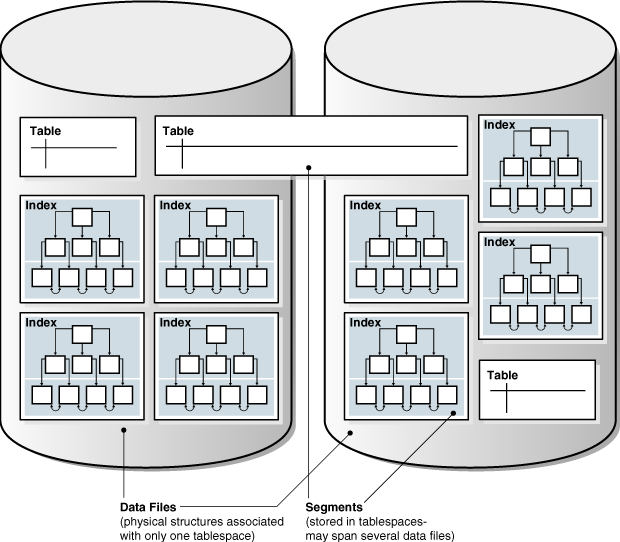
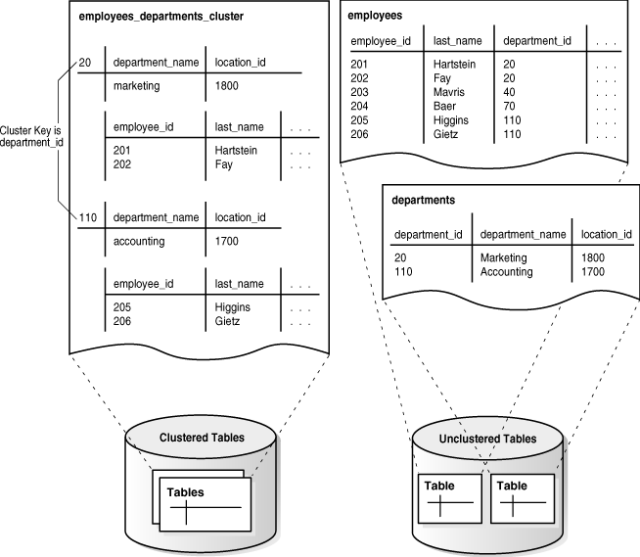
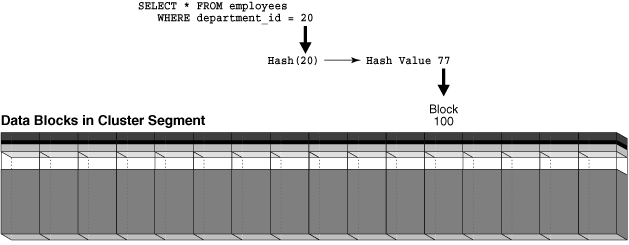
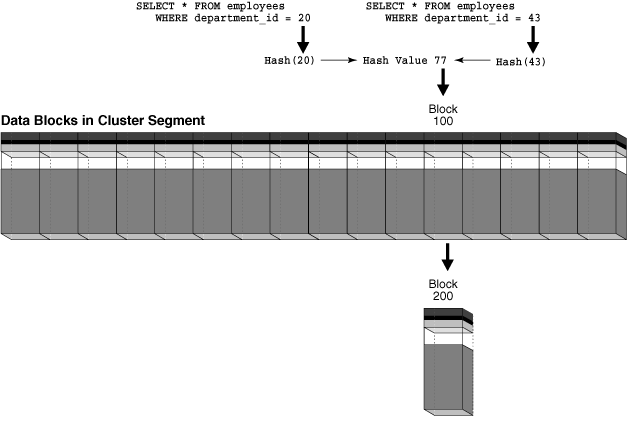
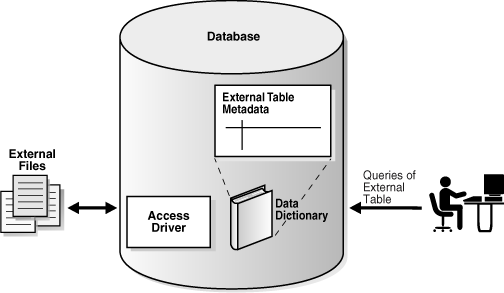
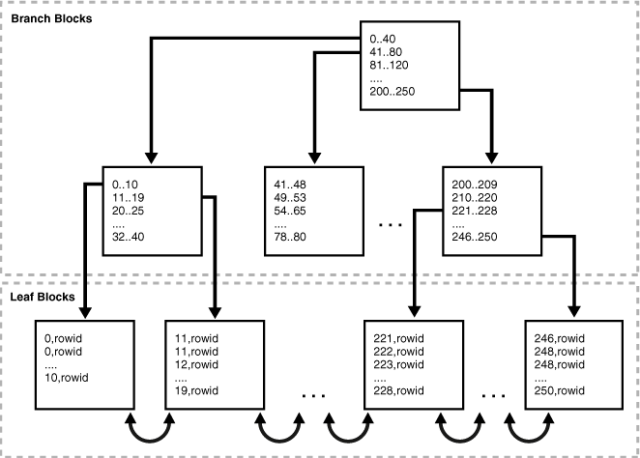
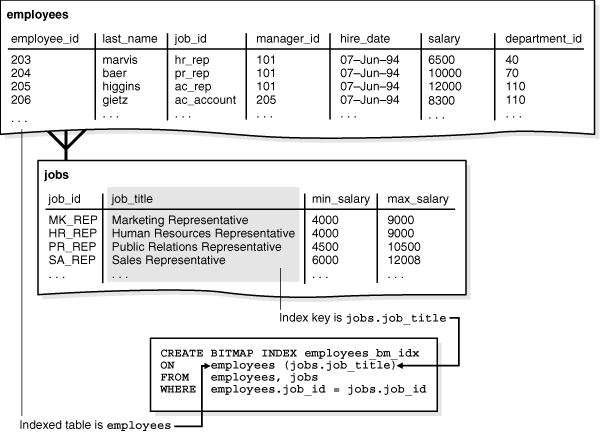
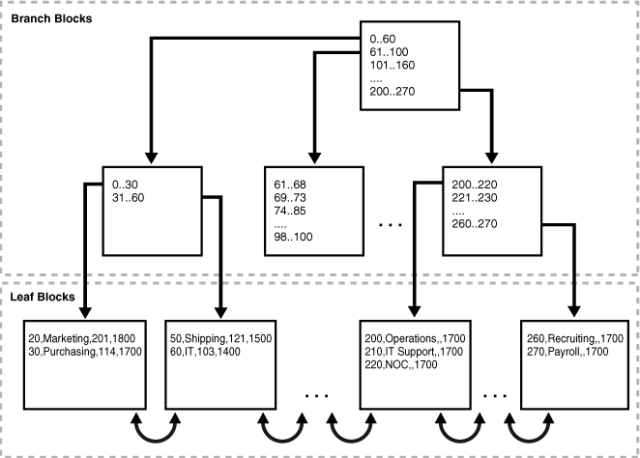
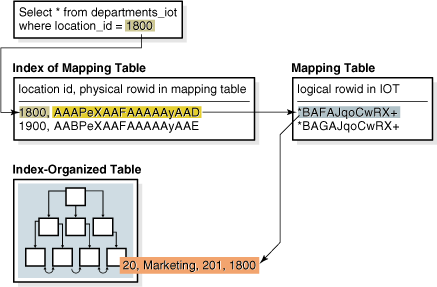
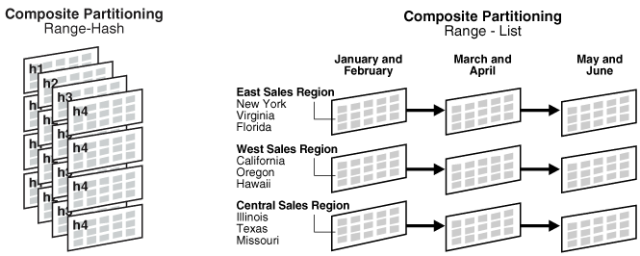
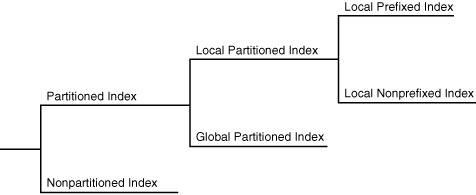
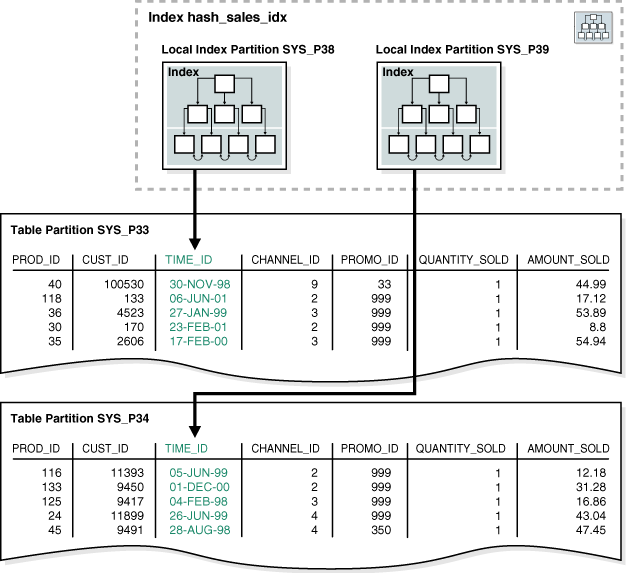
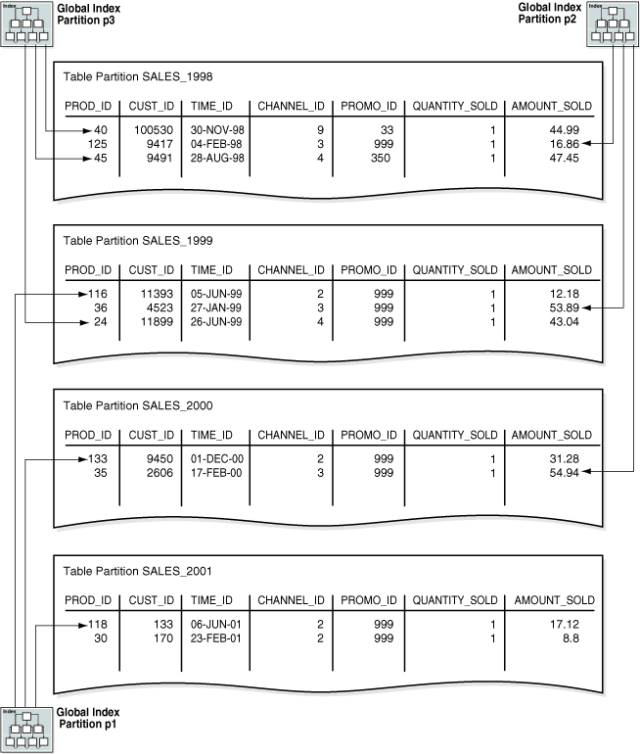
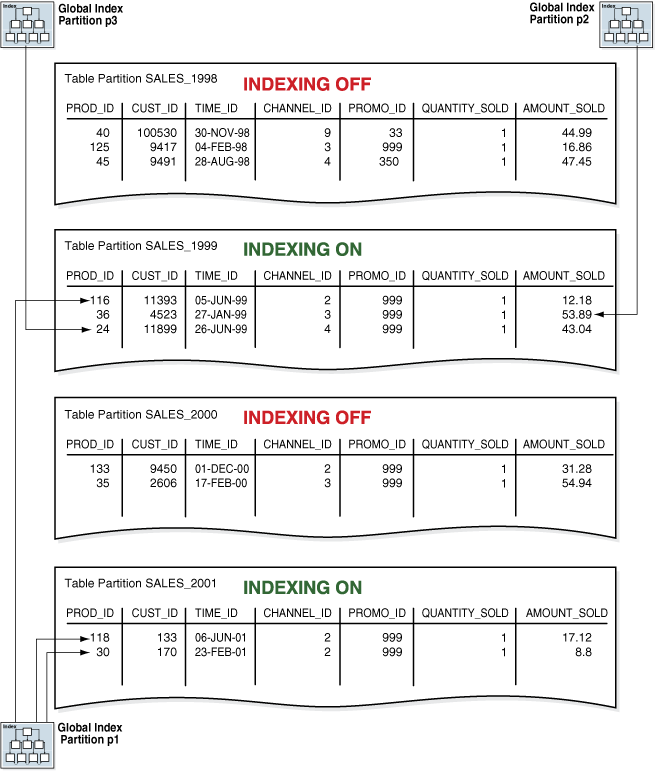
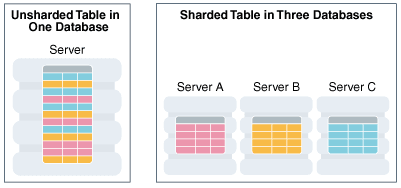
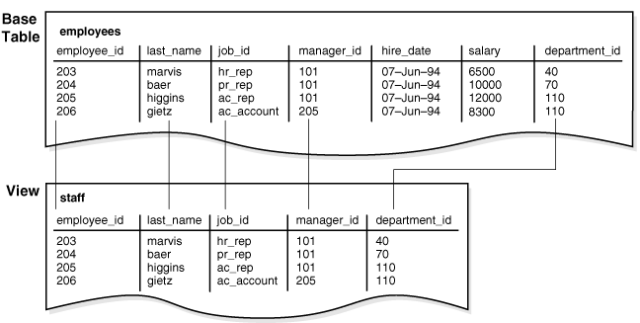
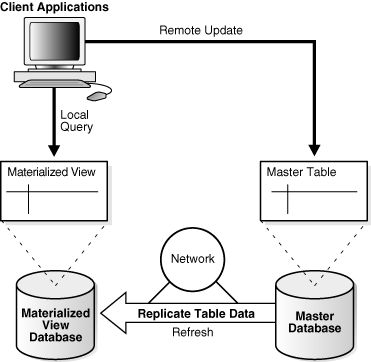
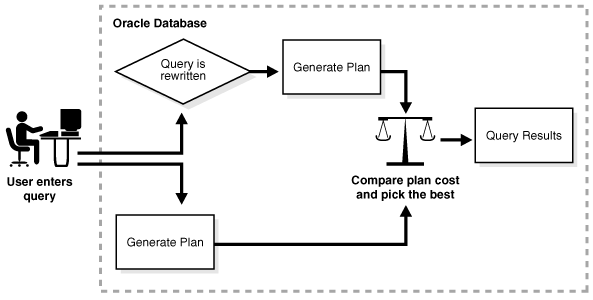
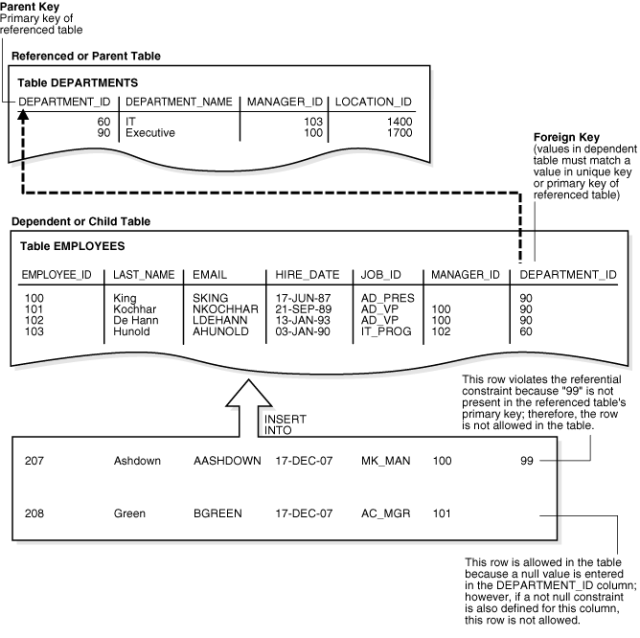
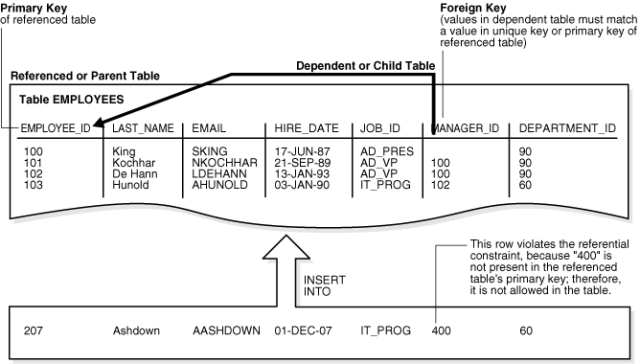
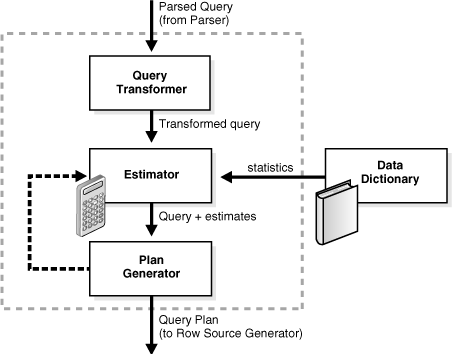
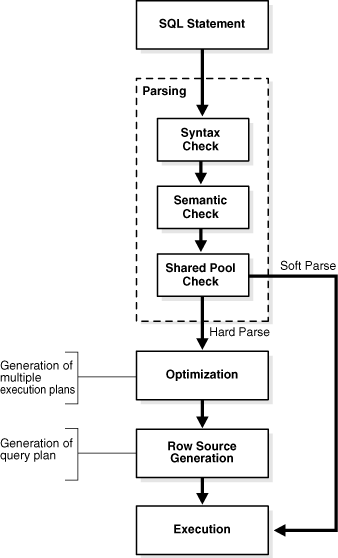
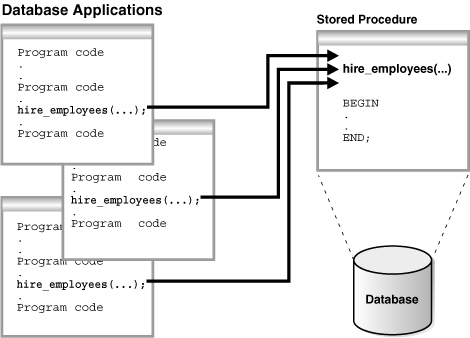
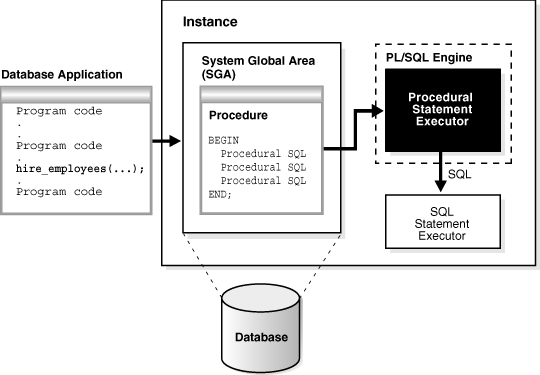
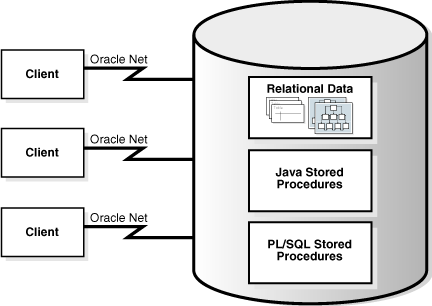
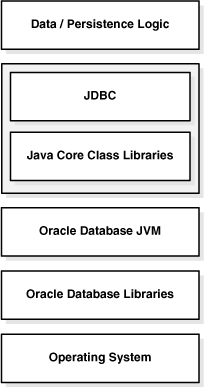
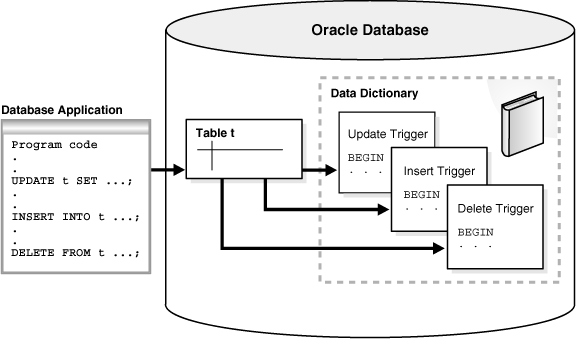
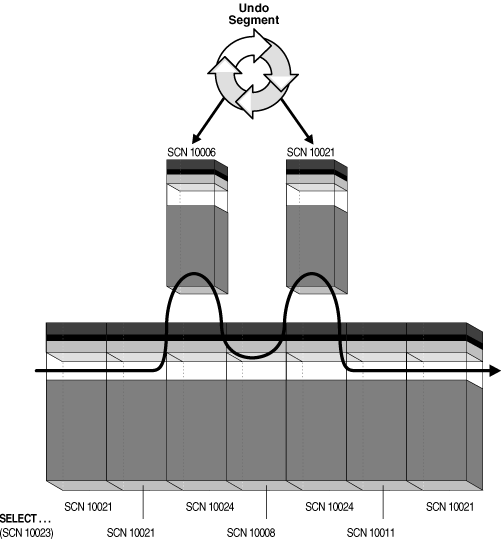
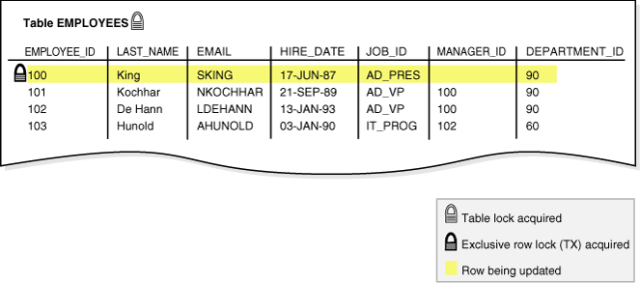
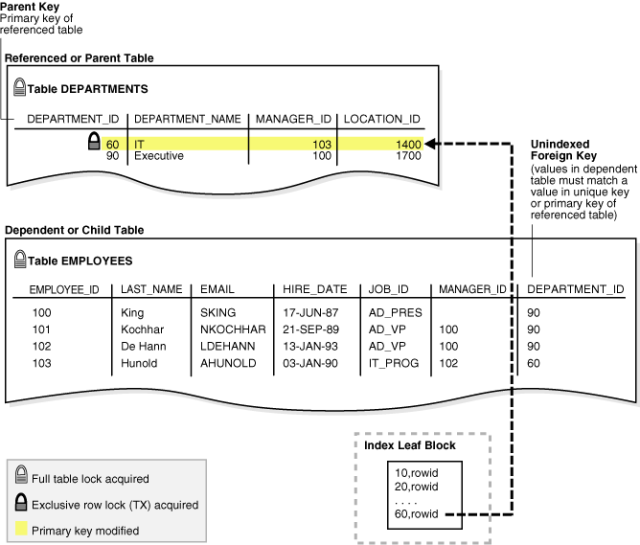
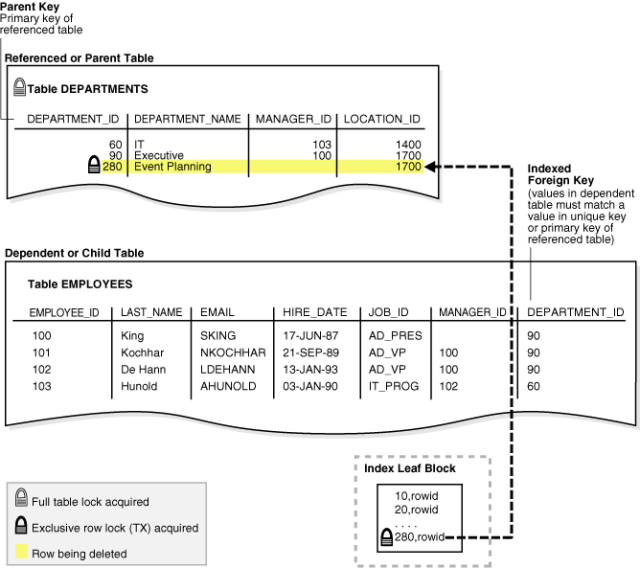
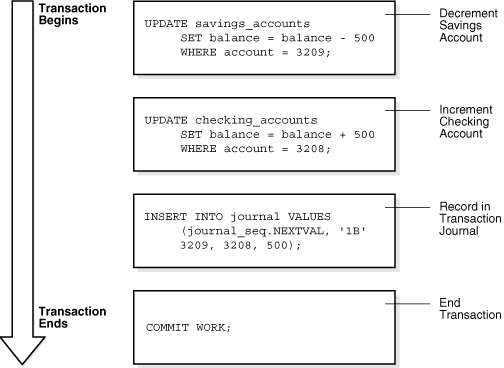
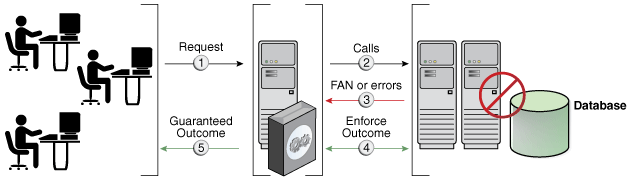
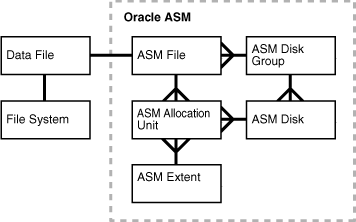
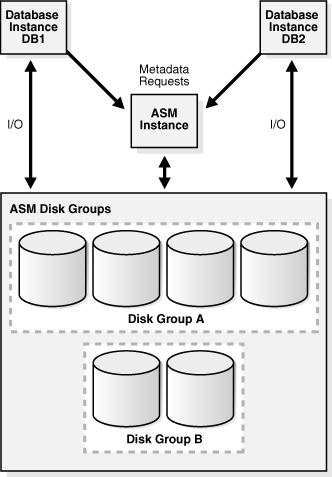
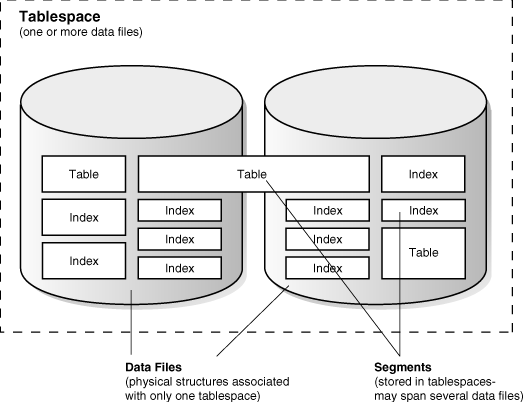
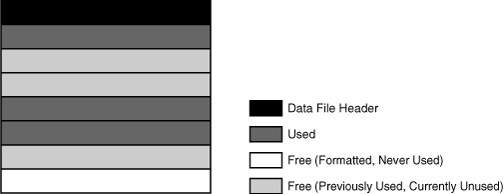
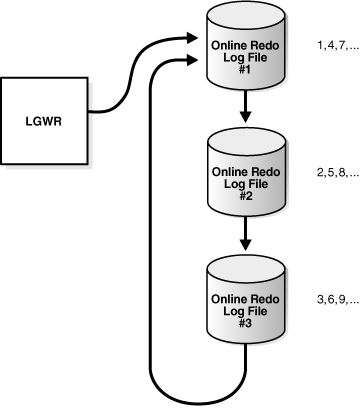
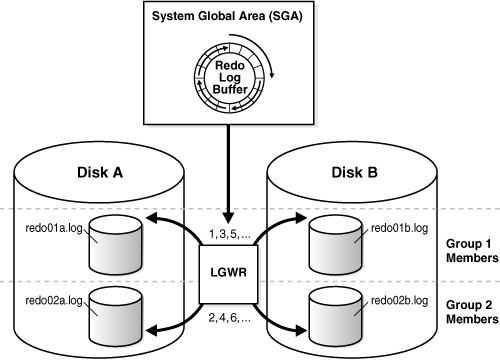
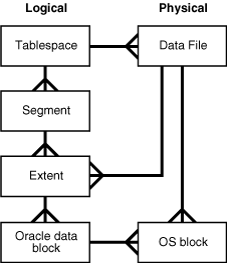
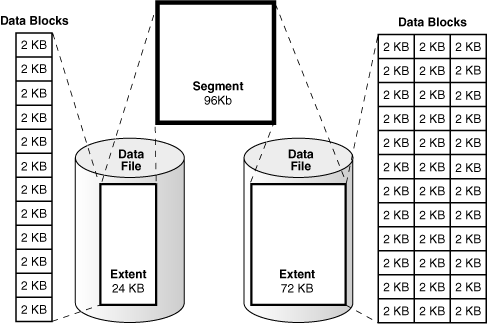
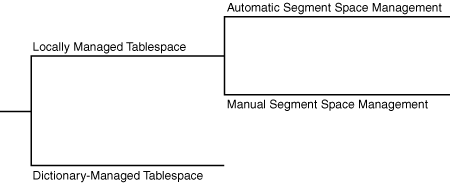
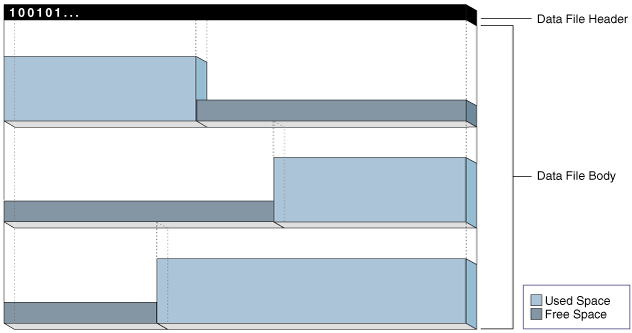
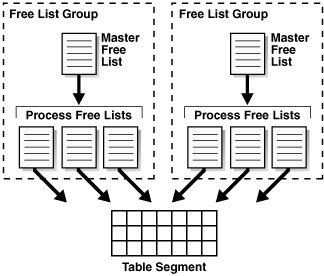
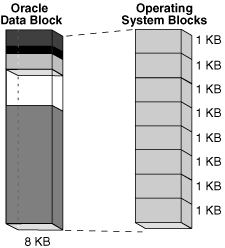
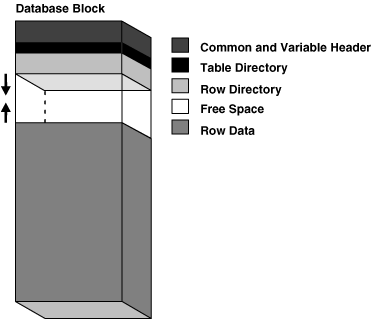
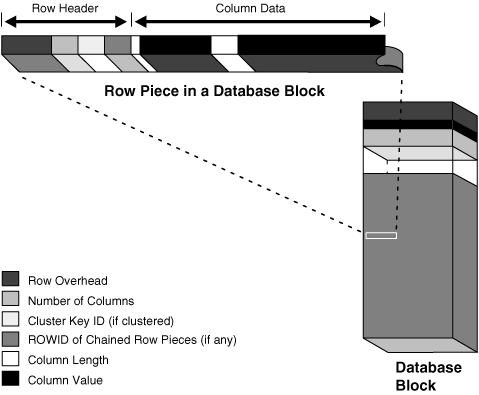
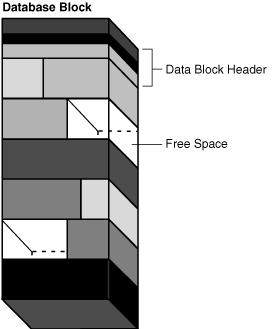
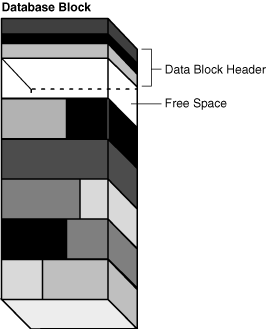
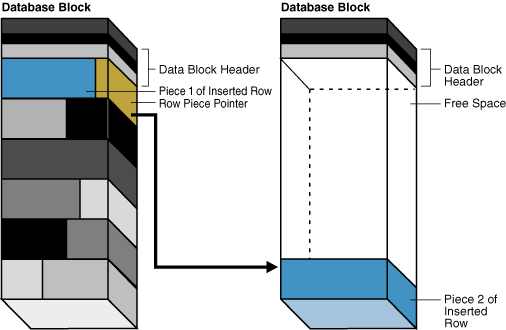
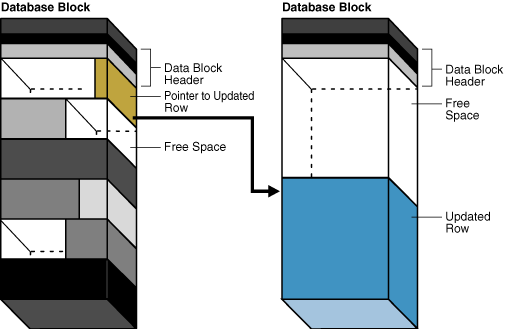
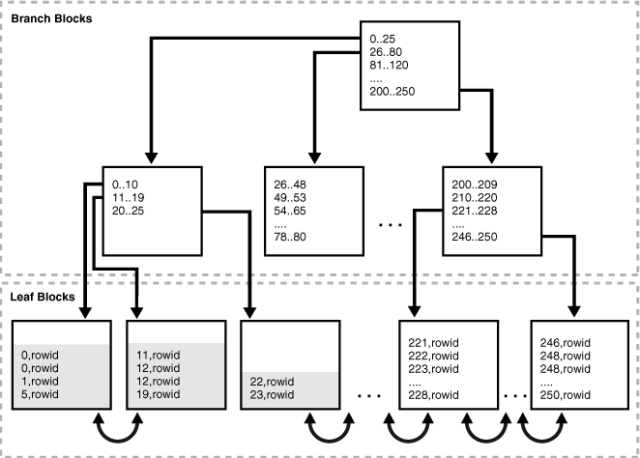
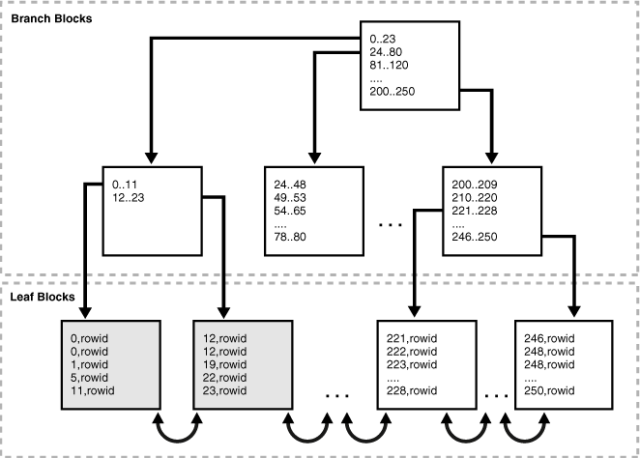
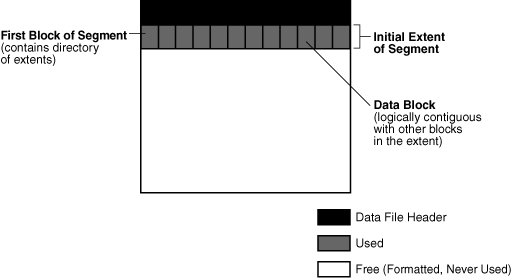
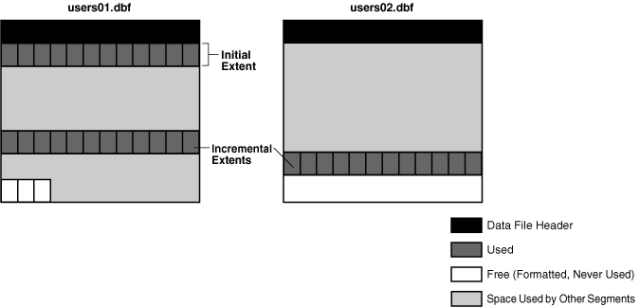
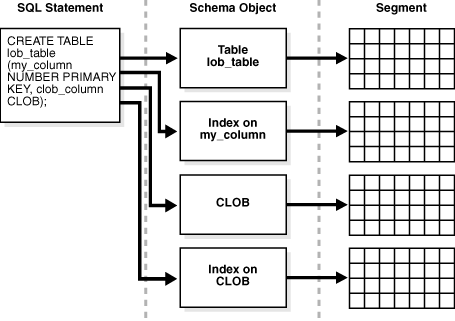
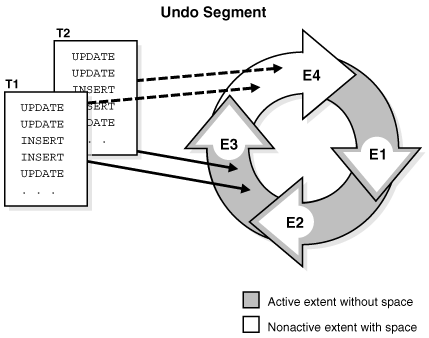
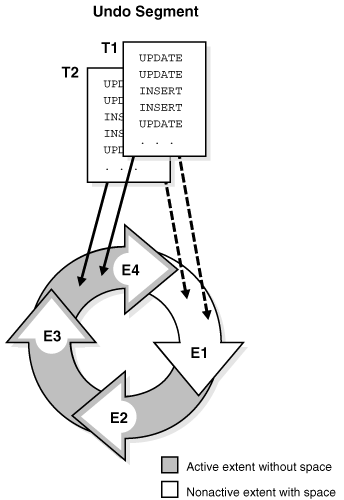
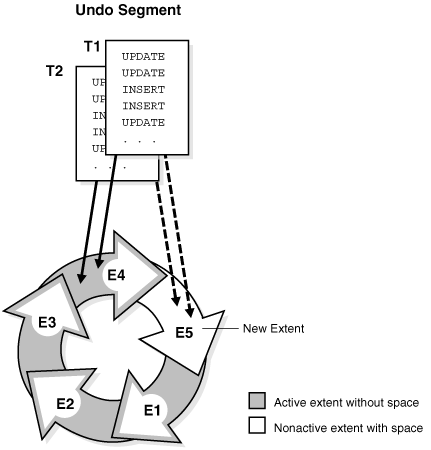
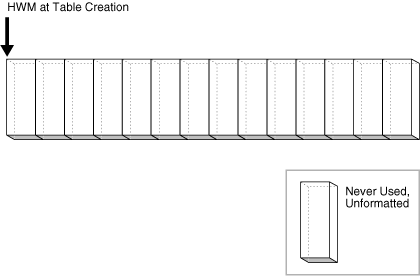
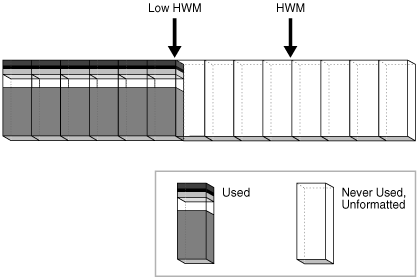
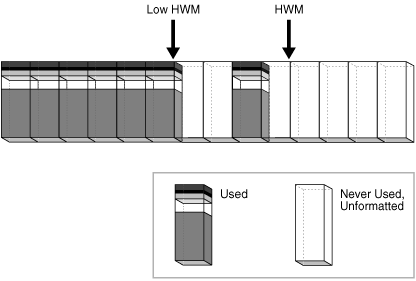
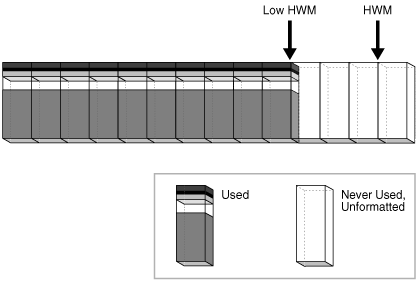
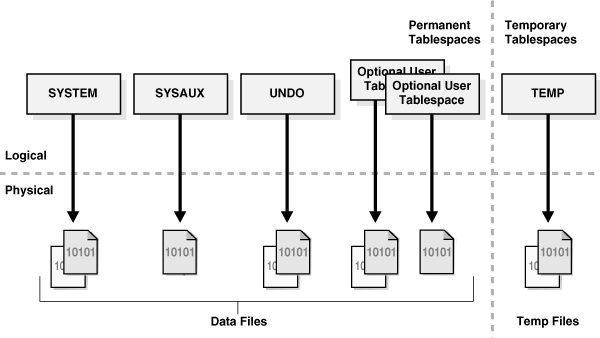
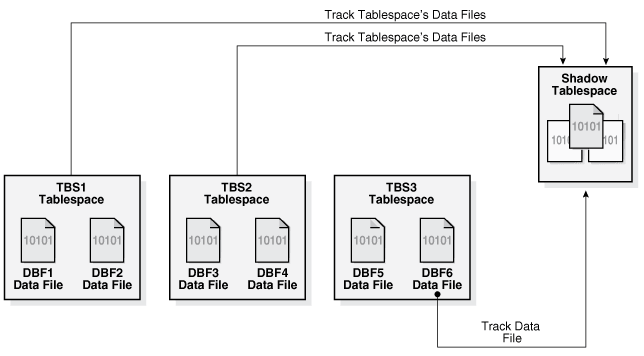
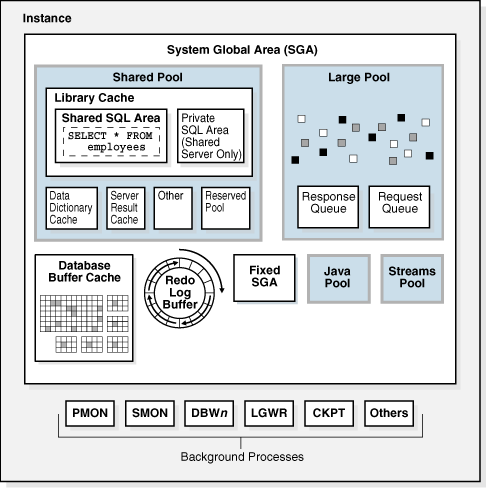
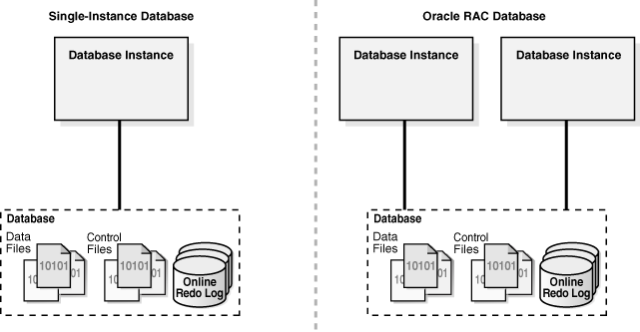
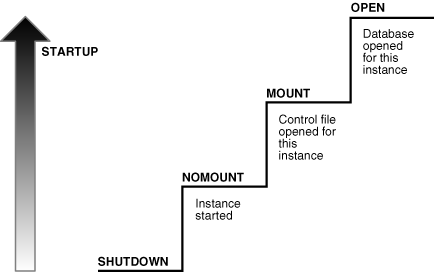
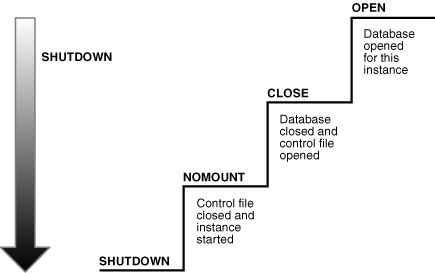
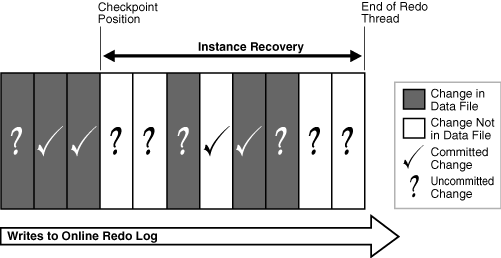
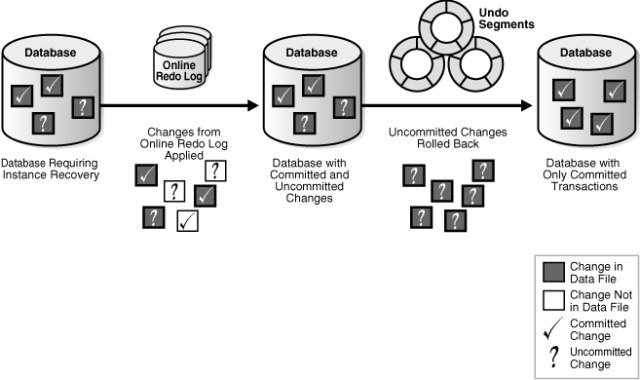
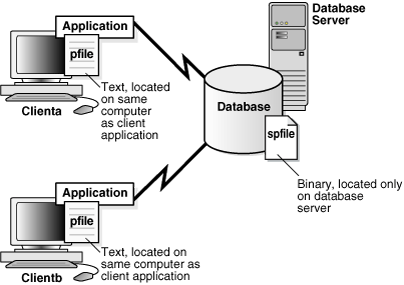
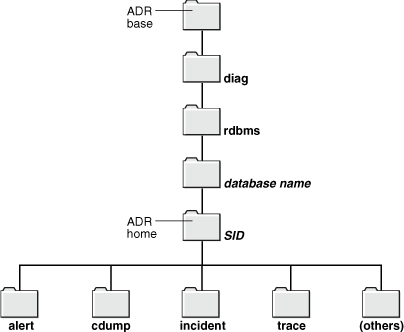
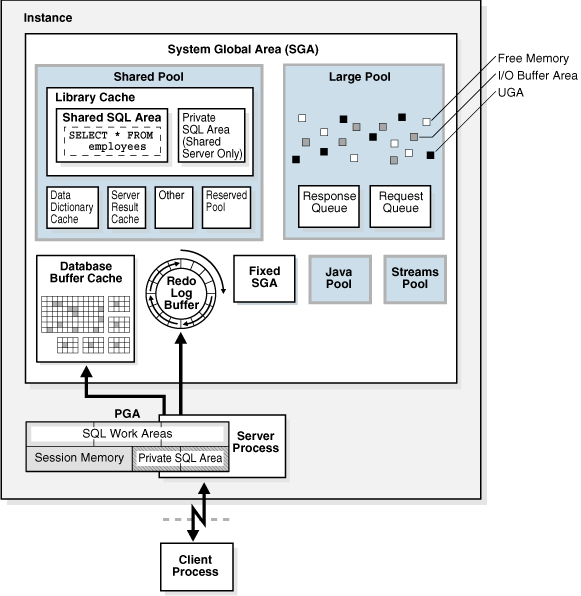
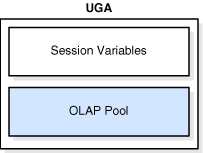
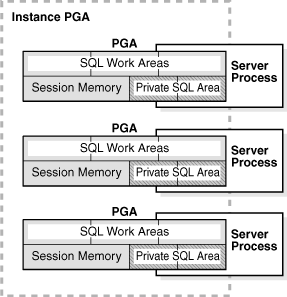
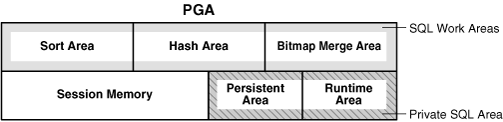
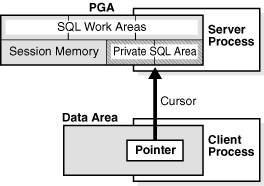
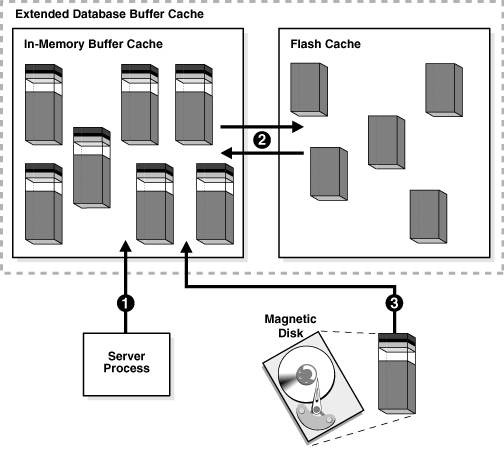
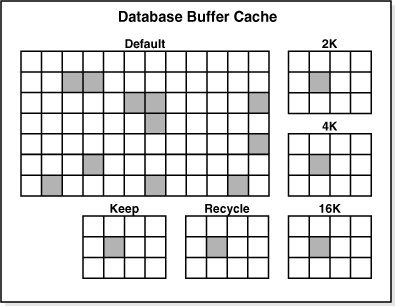
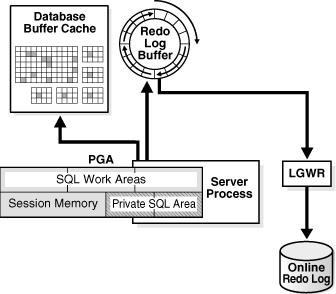
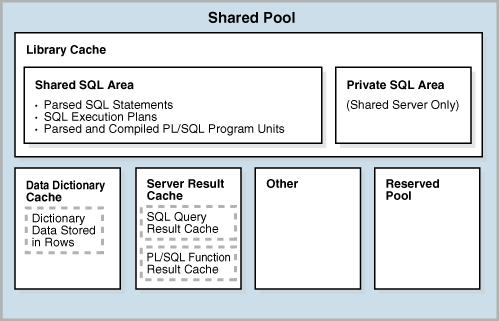
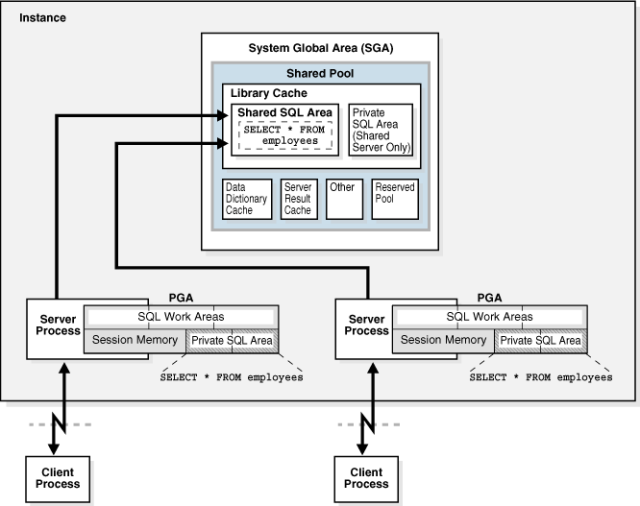
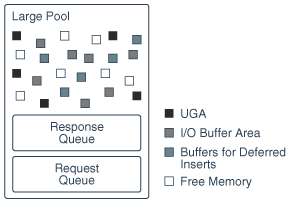
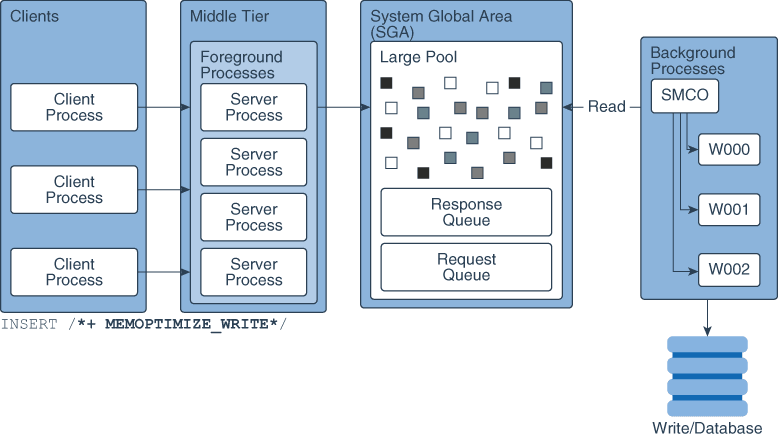
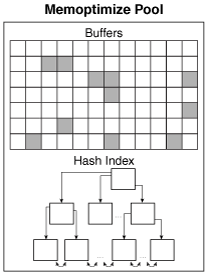
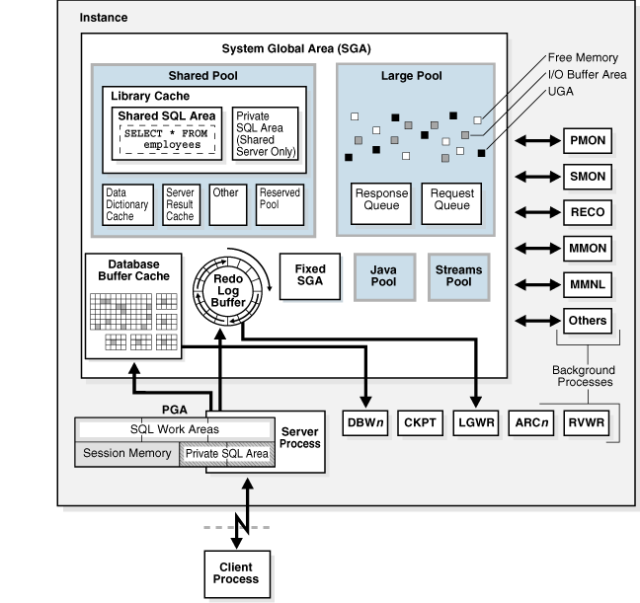
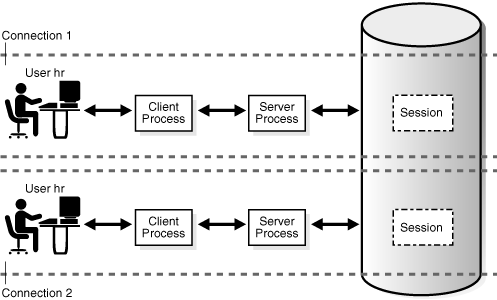
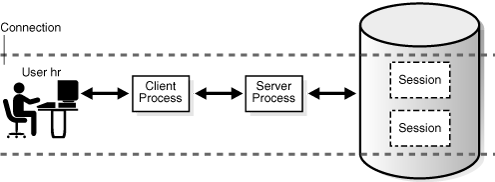
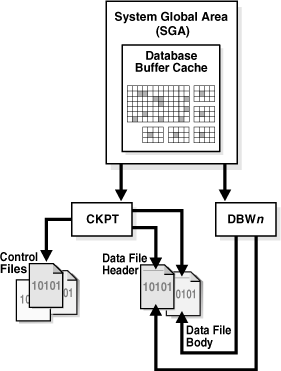
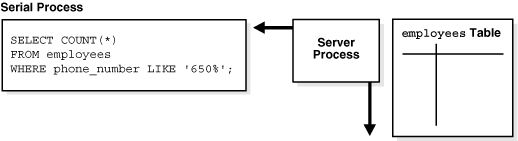
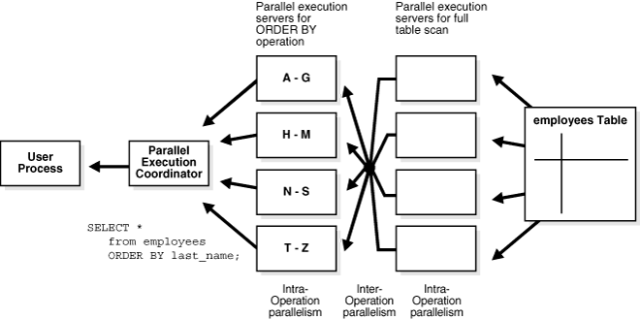
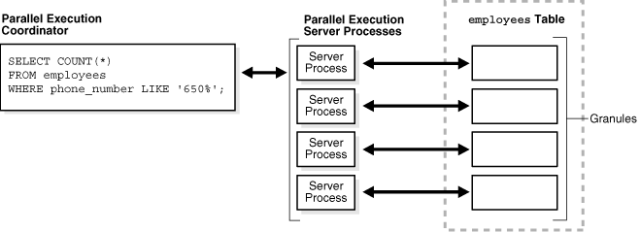
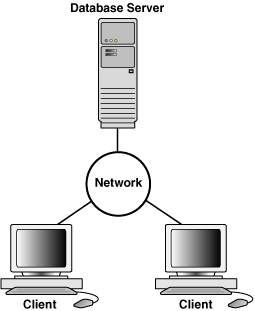
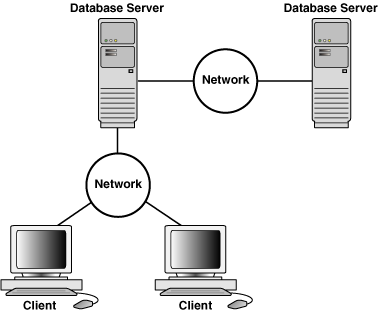
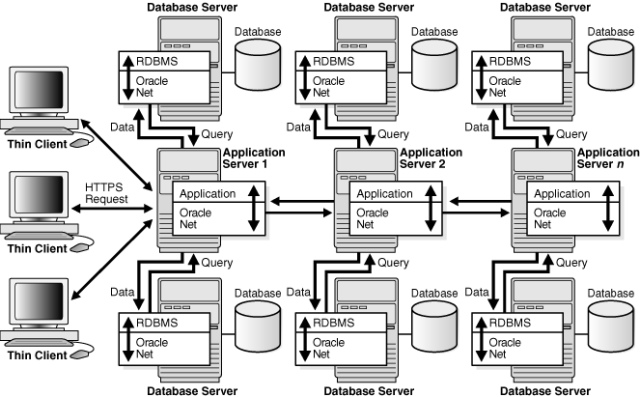
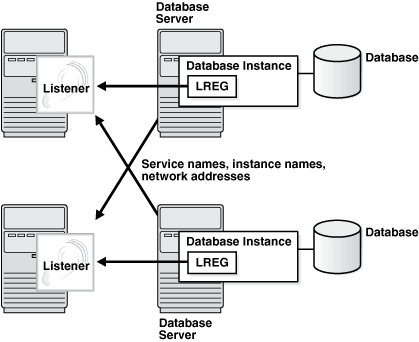
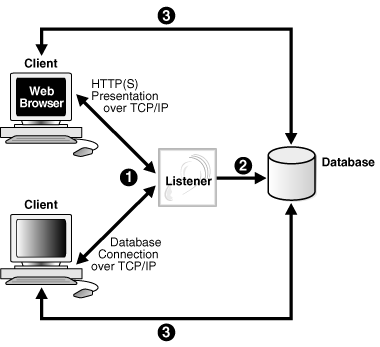
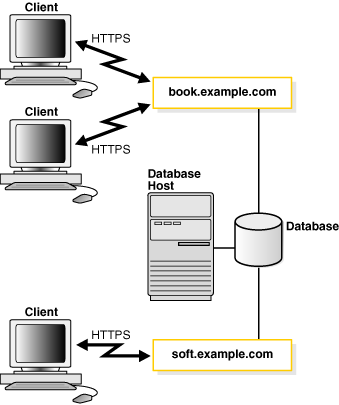
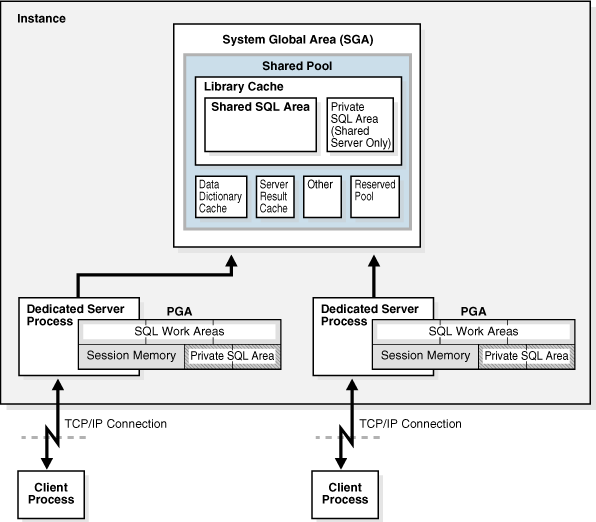
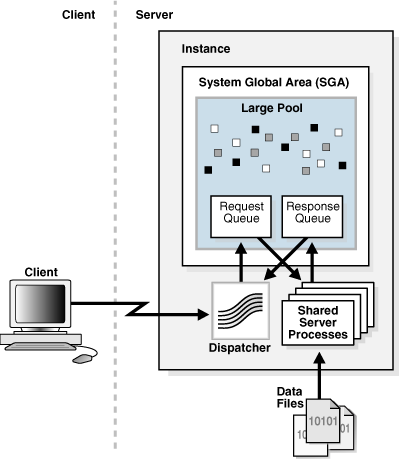
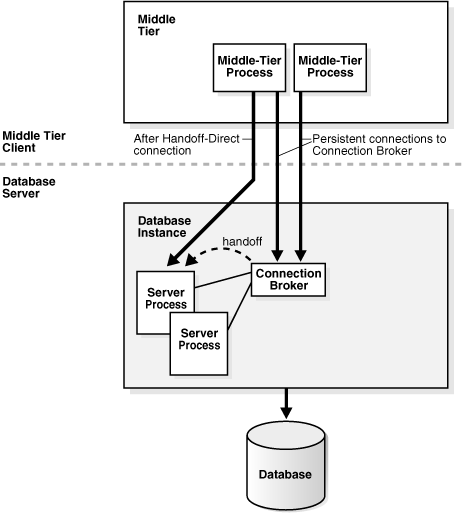
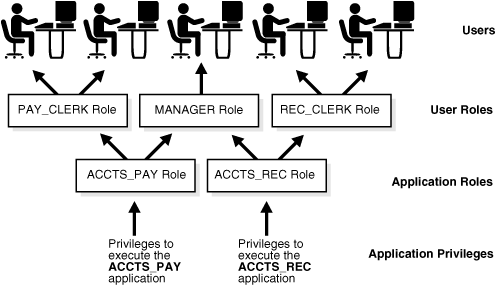
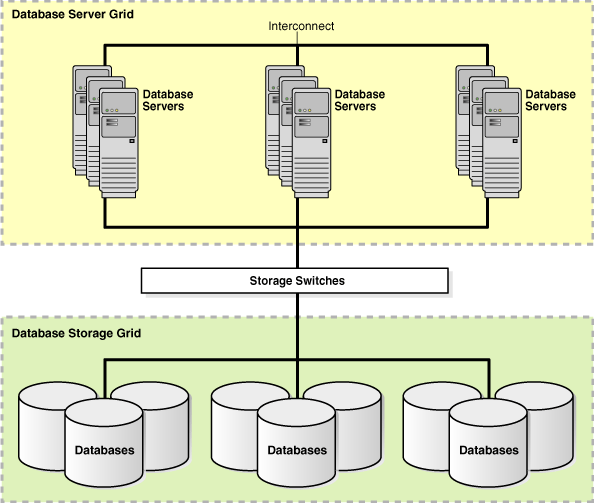
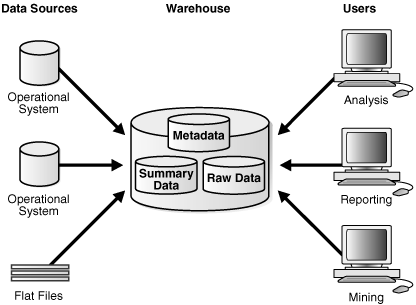
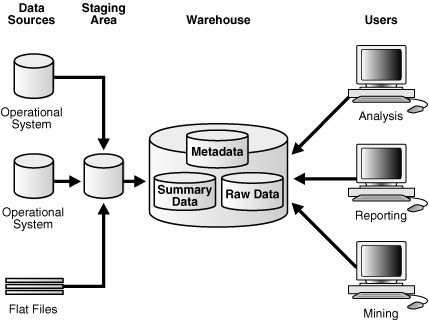
Figure 1-1 Oracle Instance and DatabaseFigure 1-6 Oracle Sharding ArchitectureFigure 2-2 Segments, Tablespaces, and Data FilesFigure 2-5 Clustered Table DataFigure 2-6 Retrieving Data from a Hash ClusterFigure 2-7 Retrieving Data from a Hash Cluster When a Hash Collision OccursFigure 2-8 External TablesFigure 3-1 Internal Structure of a B-tree IndexFigure 3-2 Bitmap Join IndexFigure 3-3 Index-Organized TableFigure 3-4 Bitmap Index on Index-Organized TableFigure 4-1 Composite Range-List PartitioningFigure 4-2 Index Partitioning OptionsFigure 4-3 Local Index PartitionsFigure 4-4 Global Partitioned IndexFigure 4-5 Partial Global Partitioned IndexFigure 4-6 Horizontal Partitioning of a Table Across ShardsFigure 4-8 Materialized ViewFigure 5-1 Referential Integrity ConstraintsFigure 5-2 Single Table Referential ConstraintsFigure 8-2 Optimizer ComponentsFigure 8-3 Stages of SQL ProcessingFigure 9-1 Multiple Executions of a Stored ProcedureFigure 9-3 The PL/SQL Engine and Oracle DatabaseFigure 9-4 Two-Tier Client/Server ConfigurationFigure 9-5 Java Component StructureFigure 10-1 Read Consistency in the Read Committed Isolation LevelFigure 10-2 Row and Table LocksFigure 10-3 Locking Mechanisms with Unindexed Foreign KeyFigure 10-4 Locking Mechanisms with Indexed Foreign KeyFigure 11-1 A Banking TransactionFigure 11-3 Check of Logical Transaction StatusFigure 12-1 Database Instance and Database FilesFigure 12-2 Oracle ASM ComponentsFigure 12-3 Oracle ASM Instance and Database InstancesFigure 12-4 Data Files and TablespacesFigure 12-5 Space in a Data FileFigure 12-6 Reuse of Online Redo Log FilesFigure 12-7 Multiple Copies of Online Redo Log FilesFigure 13-1 Logical and Physical StorageFigure 13-2 Segments, Extents, and Data Blocks Within a TablespaceFigure 13-3 Logical Space ManagementFigure 13-4 Bitmap-Managed StorageFigure 13-5 Free List GroupsFigure 13-6 Data Blocks and Operating System BlocksFigure 13-7 Data Block FormatFigure 13-8 The Format of a Row PieceFigure 13-11 Data Block with Fragmented SpaceFigure 13-12 Data Block After Coalescing Free SpaceFigure 13-13 Row ChainingFigure 13-14 Row MigrationFigure 13-15 Index Before CoalescingFigure 13-16 Index After CoalescingFigure 13-17 Initial Extent of a SegmentFigure 13-18 Incremental Extent of a SegmentFigure 13-20 Multiple SegmentsFigure 13-21 Ring of Allocated Extents in an Undo SegmentFigure 13-22 Cyclical Use of Allocated Extents in an Undo SegmentFigure 13-23 Allocation of a New Extent for an Undo SegmentFigure 13-24 HWM at Table CreationFigure 13-25 HWM and Low HWMFigure 13-26 HWM and Low HWMFigure 13-27 Advancing HWM and Low HWMHow Shadow Tablespaces WorkFigure 14-1 Database InstanceFigure 14-2 Database Instance ConfigurationsFigure 14-3 Instance and Database Startup SequenceFigure 14-4 Instance and Database Shutdown SequenceFigure 14-5 Checkpoint Position in Online Redo LogFigure 14-6 Basic Instance Recovery Steps: Rolling Forward and Rolling BackFigure 14-7 Multiple Initialization Parameter FilesFigure 14-8 ADR Directory Structure for an Oracle Database InstanceFigure 15-1 Oracle Database Memory StructuresFigure 15-2 User Global Area (UGA)Figure 15-6 Buffer SearchFigure 15-7 Database Buffer CacheFigure 15-8 Redo Log BufferFigure 15-10 Private SQL Areas and Shared SQL AreaFigure 15-12 Deferred Insert MechanismFigure 15-13 Memoptimize PoolFigure 16-1 Oracle Processes and the SGAFigure 16-2 One Session for Each ConnectionFigure 16-3 Two Sessions in One ConnectionFigure 16-4 Checkpoint ProcessFigure 16-5 Serial Full Table ScanFigure 16-6 Producers and ConsumersFigure 16-7 Parallel Full Table ScanFigure 17-1 Client/Server Architecture and Distributed ProcessingFigure 17-2 Client/Server Architecture and Distributed DatabaseFigure 17-3 A Multitier Architecture EnvironmentFigure 17-4 Two ListenersFigure 17-5 Listener ArchitectureFigure 17-6 Multiple Services Associated with One DatabaseFigure 17-7 Oracle Database Using Dedicated Server ProcessesFigure 17-8 The Shared Server Configuration and ProcessesFigure 18-1 Common Uses for RolesFigure 18-2 Grid Computing EnvironmentFigure 18-3 Architecture of a Data WarehouseData Warehouse Architecture (with a Staging Area)
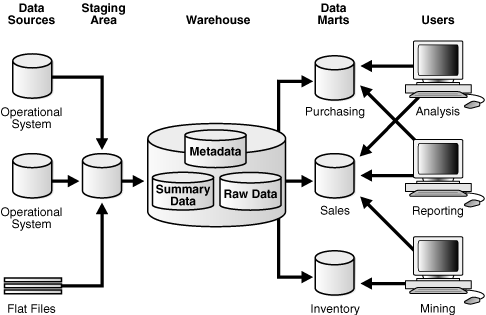
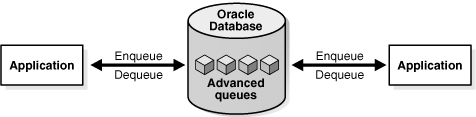
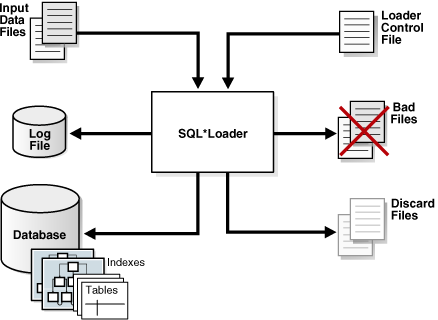
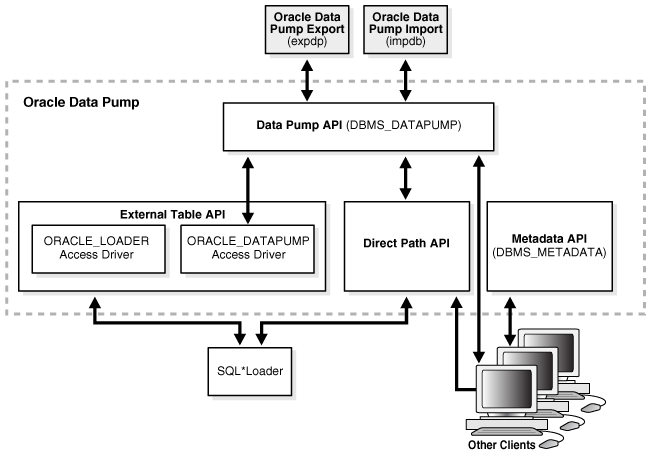
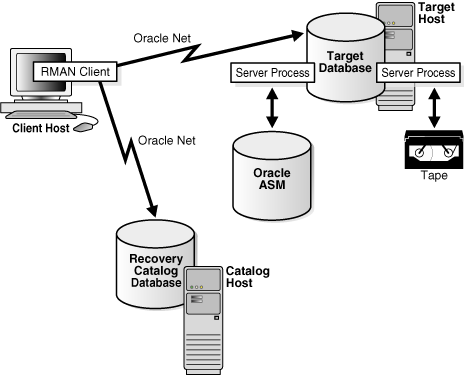
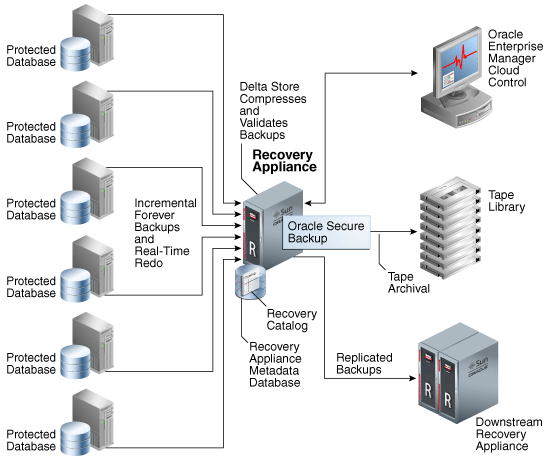
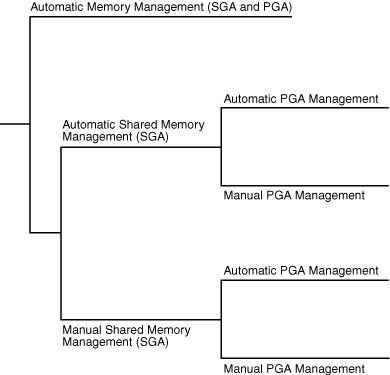
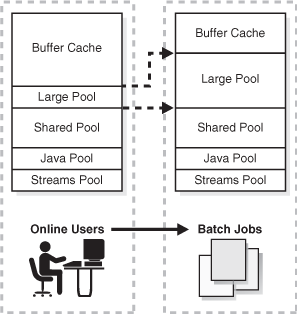
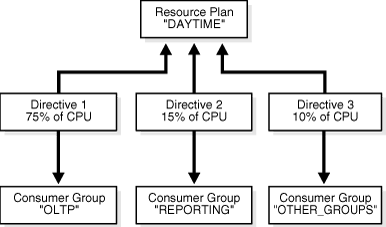
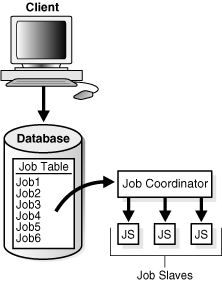
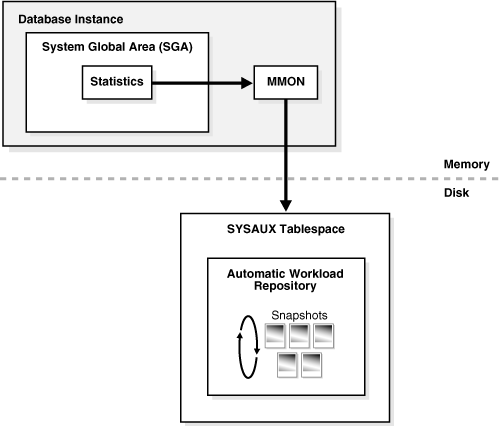
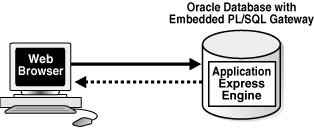
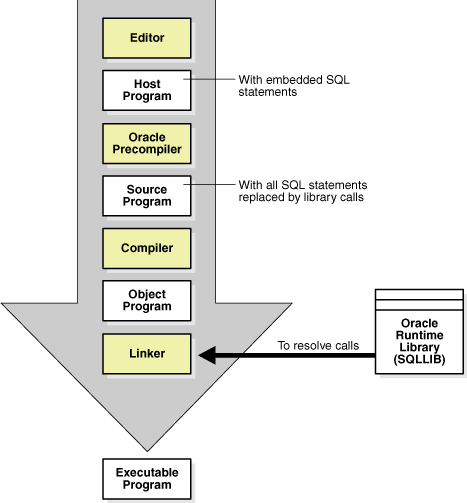
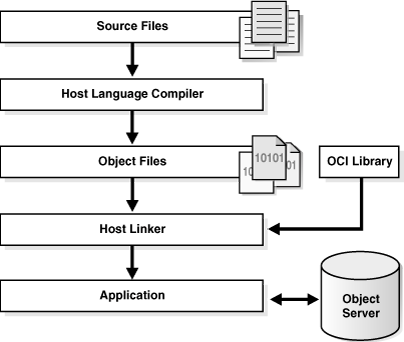
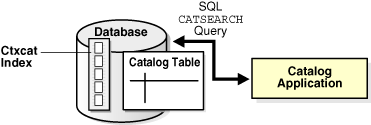
Figure 18-5 Architecture of a Data Warehouse with a Staging Area and Data MartsFigure 18-6 Database LinkFigure 18-7 Oracle Message QueuingFigure 19-1 SQL*Loader SessionFigure 19-2 Oracle Data Pump ArchitectureFigure 19-3 RMAN ArchitectureFigure 19-4 Recovery Appliance EnvironmentFigure 19-5 Memory Management MethodsFigure 19-6 Automatic Memory ManagementFigure 19-7 Simple Resource PlanFigure 19-8 Scheduler ComponentsFigure 19-9 Automatic Workload Repository (AWR)Figure 20-1 Application Express with Embedded PL/SQL GatewayFigure 20-2 Program Development with PrecompilersFigure 20-3 Development Process Using OCI or OCCIFigure 20-4 Catalog Query Applicationhttps://docs.oracle.com/en/database/oracle/oracle-database/19/cncpt/index.html
欢迎关注我的公众号《IT小Chen》