



List 集合(实现类有ArrayList和LinkedList)
1.有索引:List 集合是有索引的
2.有序性:List 集合是有序的保证了装入集合时的顺序
3.重复性:List 集合允许存储重复的元素
1、List list1 = new ArrayList();
底层数据结构是数组,查询快,增删慢;线程不安全,效率高。
2、List list3 = new LinkedList();
底层数据结构是链表,查询慢,增删快;线程不安全,效率高。
3、List list2 = new Vector();
底层数据结构是数组,查询快,增删慢;线程安全,效率低,这个集合几乎被淘汰。
List 常用方法学习
public class TestList {
    public static void main(String[] args) {
        List list = new ArrayList();
        Collection list2 = new ArrayList();
        //增加元素
        list.add("1");
        list.add("2");
        list.add("3");
        list.add("5");
        list.add("4");
        list.add("5");
        //增加元素
        list.remove("1");
        //改变元素
        list.set(4,"被修改了");
        System.out.println(list);

        //构造 List 的迭代器
        Iterator it = list.iterator();
        //通过迭代器遍历元素
        while(it.hasNext()){
            Object obj = it.next();
            System.out.println(obj);
        }

        // List  独有的 遍历方式
        for(int i = 0 ; i < list.size() ; i++){
            System.out.println(list.get(i));
        }

        /**
        List<E> subList(int fromIndex, int toIndex)
        获取一个子集合
        参数1 是开始截取的索引
        参数2 是结束截取的索引
        包含参数1 不包含参数2*/
        List li = list.subList(2, list.size());
        System.out.println(li);
    }
}
public int indexOf(Object o) {
        if (o == null) {
            for (int i = 0; i < size; i++)
                if (elementData[i]==null)
                    return i;
        } else {
            for (int i = 0; i < size; i++)
                if (o.equals(elementData[i]))
                    return i;
        }
        return -1;
    }
public int lastIndexOf(Object o) {
        if (o == null) {
            for (int i = size-1; i >= 0; i--)
                if (elementData[i]==null)
                    return i;
        } else {
            for (int i = size-1; i >= 0; i--)
                if (o.equals(elementData[i]))
                    return i;
        }
        return -1;
    }
ArrayList--底层是数组
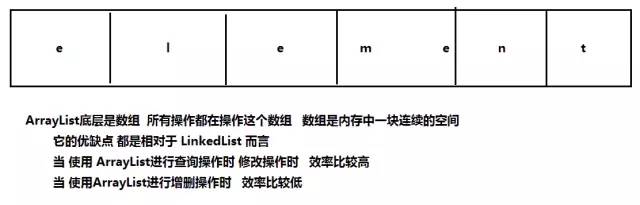
每增加一个元素,就会判断数组是否需要扩容,拿现在size + 1 去判断,如果需要扩容,那就扩容1.5倍。
int newCapacity = oldCapacity + (oldCapacity >> 1);然后
elementData[size++] = 要添加的元素
public boolean add(Object obj){
    ensureCapacityInternal(size+1)//扩容
    elementData[size++] = obj;
    return ture;
}
每移除一个元素,会先确定元素的位置,确定元素的值,然后把 要删除的位置之前的,之后的copy到新数组,新数组替换 elementData ,然后把最后一位size赋值为null size也要 --
public E remove(int index){
    rangeCheck(index);
    modcount++;
    E oldValue = elementData(index)
    int numMoved = size - index -1;
    if(numMoved>0)
    System.arraycopy(elementData,index+1,elementData,index,numMoved);
    elementData[--size]=null;
    return oldValue;
}
LinkedList--底层是链表
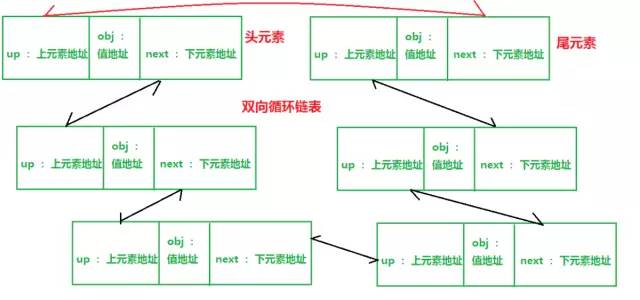
链式存储的线性表
Node 对象:Node对象有 三个属性
item:要存储的对象
next:下一个元素对象 (last 的next 一般为 null)
prev:上一个元素对象 (first 的prev 一般为 null)
void linkLast(E e) {
        final Node<E> l = last;
        final Node<E> newNode = new Node<>(l, e, null);
        last = newNode;
        if (l == null){
            first = newNode;
        }else{
            l.next = newNode;
        }
        size++;
        modCount++;
}
E unlink(Node<E> x) {
        // assert x != null;
        final E element = x.item;
        final Node<E> next = x.next;
        final Node<E> prev = x.prev;
        if (prev == null) {
            first = next;
        } else {
            prev.next = next;
            x.prev = null;
        }

        if (next == null) {
            last = prev;
        } else {
            next.prev = prev;
            x.next = null;
        }

        x.item = null;
        size--;
        modCount++;
        return element;
}
2. 记录 要移除的对象的 上一个指向(prev) 存储的值(value) 下一个指向(next)
3. prev 代表的对象 next 属性不再指向被移除的对象 改为指向 next代表的对象
4. next 代表的对象 它的 prev 属性不要指向被移除的对象 改为指向 prve代表的对象
同时要考虑 被移除对象可能是 first 或 last , 处理方式会有所不同
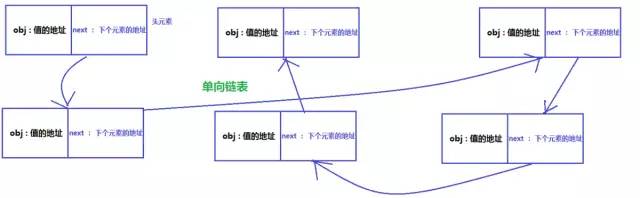
要得到第一个 Node对象,然后不停的寻找下一个对象即 next 属性,然后一直寻找到最后的,中间地址跳转频繁 :
文章转载自Spark大数据,如果涉嫌侵权,请发送邮件至:contact@modb.pro进行举报,并提供相关证据,一经查实,墨天轮将立刻删除相关内容。
