一、集合
集合(Set)的特点是不存放重复的元素,常用于去重。
1.1. 接口设计
对比数组和链表,集合是没有索引概念的,因为重复的元素在集合中最多只能出现一次。
数组和链表有索引,所以可以直接使用循环体进行遍历,不需要提供遍历接口。
public interface Set<E> {
  // 元素数量
  int size();
  // 集合是否为空
  boolean isEmpty();
  // 清空集合
  void clear();
  // 是否包含某个元素
  boolean contains(E element);
  // 添加元素
  void add(E element);
  // 移除元素
  void remove(E element);
  // 遍历
  void traversal(Visitor<E> visitor);

  // 自定义遍历
  public static abstract class Visitor<E> {
    boolean stop;
    public abstract boolean visit(E element);
  }
}
思考:集合的内部实现能否直接利用前面章节的数据结构?当然可以,动态数组、链表、二叉搜索树(AVL树、红黑树)都能满足。
1.2. 链表实现集合
public class ListSet<E> implements Set<E> {
  private List<E> list = new LinkedList<>();

  @Override
  public int size() {
    return list.size();
  }

  @Override
  public boolean isEmpty() {
    return list.isEmpty();
  }

  @Override
  public void clear() {
    list.clear();
  }

  @Override
  public boolean contains(E element) {
    return list.contains(element);
  }

  @Override
  public void add(E element) {
    int index = list.indexOf(element);
    if (index != List.ELEMENT_NOT_FOUND) { // 存在就覆盖
      list.set(index, element);
    } else { // 不存在就添加
      list.add(element);
    }
  }

  @Override
  public void remove(E element) {
    int index = list.indexOf(element);
    if (index != List.ELEMENT_NOT_FOUND) {
      list.remove(index);
    }
  }

  @Override
  public void traversal(Visitor<E> visitor) {
    if (visitor == null) return;

    int size = list.size();
    for (int i = 0; i < size; i++) {
      if (visitor.visit(list.get(i))) return;
    }
  }
}
1.3. 红黑树实现集合
使用红黑树实现集合,遍历元素时对遍历方式没有要求,使用中序遍历即可,元素从小到大排列。
红黑树有个局限性:传入的元素必须具有可比较性。所以需要自定义一个比较器。
public class TreeSet<E> implements Set<E> {
  private RBTree<E> tree;

  public TreeSet() {
    this(null);
  }

  public TreeSet(Comparator<E> comparator) {
    tree = new RBTree<>(comparator);
  }

  @Override
  public int size() {
    return tree.size();
  }

  @Override
  public boolean isEmpty() {
    return tree.isEmpty();
  }

  @Override
  public void clear() {
    tree.clear();
  }

  @Override
  public boolean contains(E element) {
    return tree.contains(element);
  }

  @Override
  public void add(E element) {
    tree.add(element);
  }

  @Override
  public void remove(E element) {
    tree.remove(element);
  }

  @Override
  public void traversal(Visitor<E> visitor) {
    tree.inorder(new BinaryTree.Visitor<E>() {
      @Override
      public boolean visit(E element) {
        return visitor.visit(element);
      }
    });
  }
}
链表的搜索、删除、添加复杂度都是O(n)
,而红黑树的对应的复杂度是O(logn)
。所以优先选择使用红黑树实现集合。
如果传入的元素没有可比较性,又想要红黑树的效率,就需要哈希表实现(后面章节会讲到)。
1.4. LeetCode
两个数组的交集:https://leetcode-cn.com/problems/intersection-of-two-arrays/
二、映射
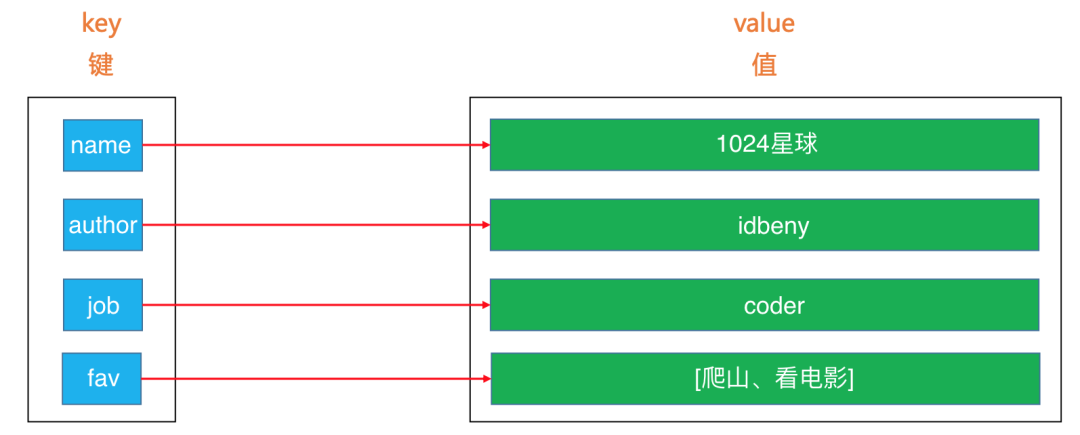
映射(Map)在有些编程语言中也叫做字典(dictionary,比如Python、Objective-C、Swift等)。
Map中的每一个key
是唯一的,一个key
对应一个value
(key-value
也叫键值对)。
2.1. 接口设计
public interface Map<K, V> {
  // 有多少键值对
  int size();
  // 字典是否为空
  boolean isEmpty();
  // 清空字典
  void clear();
  // 添加键值对
  V put(K key, V value);
  // 根据key获取value
  V get(K key);
  // 根据key删除value
  V remove(K key);
  // 字典是否包含key
  boolean containsKey(K key);
  // 字典是否包含value
  boolean containsValue(V value);
  // 遍历字典
  void traversal(Visitor<K, V> visitor);

  // 自定义遍历
  public static abstract class Visitor<K, V> {
    boolean stop;
    public abstract boolean visit(K key, V value);
  }
}
类似Set,Map可以直接利用之前的链表、二叉搜索树(AVL树、红黑树)等数据结构来实现。
2.2. 红黑树实现Map
红黑树的每个节点存储的都是一个键值对,而不是单一的key
或value
。
为了更好的使用红黑树,可以把Map当做红黑树实现。
因为是拿key做比较进行搜索、添加、删除的,所以判断是否包含值,使用层序遍历(前中后序也可以)实现containsValue
方法。
为了使Map的遍历有意义,可以使用中序遍历(从小到大)。
public class TreeMap<K, V> implements Map<K, V> {
  private static final boolean RED = false;
  private static final boolean BLACK = true;
  private int size;
  private Node<K, V> root;
  private Comparator<K> comparator;

  public TreeMap() {
    this(null);
  }

  public TreeMap(Comparator<K> comparator) {
    this.comparator = comparator;
  }

  public int size() {
    return size;
  }

  public boolean isEmpty() {
    return size == 0;
  }

  public void clear() {
    root = null;
    size = 0;
  }

  @Override
  public V put(K key, V value) {
    keyNotNullCheck(key);

    // 添加第一个节点
    if (root == null) {
      root = new Node<>(key, value, null);
      size++;

      // 新添加节点之后的处理
      afterPut(root);
      return null;
    }

    // 添加的不是第一个节点
    // 找到父节点
    Node<K, V> parent = root;
    Node<K, V> node = root;
    int cmp = 0;
    do {
      cmp = compare(key, node.key);
      parent = node;
      if (cmp > 0) {
        node = node.right;
      } else if (cmp < 0) {
        node = node.left;
      } else { // 相等
        node.key = key;
        V oldValue = node.value;
        node.value = value;
        return oldValue;
      }
    } while (node != null);

    // 看看插入到父节点的哪个位置
    Node<K, V> newNode = new Node<>(key, value, parent);
    if (cmp > 0) {
      parent.right = newNode;
    } else {
      parent.left = newNode;
    }
    size++;

    // 新添加节点之后的处理
    afterPut(newNode);
    return null;
  }

  @Override
  public V get(K key) {
    Node<K, V> node = node(key);
    return node != null ? node.value : null;
  }

  @Override
  public V remove(K key) {
    return remove(node(key));
  }

  @Override
  public boolean containsKey(K key) {
    return node(key) != null;
  }

  @Override
  public boolean containsValue(V value) {
    if (root == null) return false;

    Queue<Node<K, V>> queue = new LinkedList<>();
    queue.offer(root);

    while (!queue.isEmpty()) {
      Node<K, V> node = queue.poll();
      if (valEquals(value, node.value)) return true;

      if (node.left != null) {
        queue.offer(node.left);
      }

      if (node.right != null) {
        queue.offer(node.right);
      }
    }

    return false;
  }

  @Override
  public void traversal(Visitor<K, V> visitor) {
    if (visitor == null) return;
    traversal(root, visitor);
  }

  private void traversal(Node<K, V> node, Visitor<K, V> visitor) {
    if (node == null || visitor.stop) return;

    traversal(node.left, visitor);
    if (visitor.stop) return;
    visitor.visit(node.key, node.value);
    traversal(node.right, visitor);
  }

  private boolean valEquals(V v1, V v2) {
    return v1 == null ? v2 == null : v1.equals(v2);
  }

  private V remove(Node<K, V> node) {
    if (node == null) return null;

    size--;

    V oldValue = node.value;

    if (node.hasTwoChildren()) { // 度为2的节点
      // 找到后继节点
      Node<K, V> s = successor(node);
      // 用后继节点的值覆盖度为2的节点的值
      node.key = s.key;
      node.value = s.value;
      // 删除后继节点
      node = s;
    }

    // 删除node节点(node的度必然是1或者0)
    Node<K, V> replacement = node.left != null ? node.left : node.right;

    if (replacement != null) { // node是度为1的节点
      // 更改parent
      replacement.parent = node.parent;
      // 更改parent的left、right的指向
      if (node.parent == null) { // node是度为1的节点并且是根节点
        root = replacement;
      } else if (node == node.parent.left) {
        node.parent.left = replacement;
      } else { // node == node.parent.right
        node.parent.right = replacement;
      }

      // 删除节点之后的处理
      afterRemove(replacement);
    } else if (node.parent == null) { // node是叶子节点并且是根节点
      root = null;
    } else { // node是叶子节点,但不是根节点
      if (node == node.parent.left) {
        node.parent.left = null;
      } else { // node == node.parent.right
        node.parent.right = null;
      }

      // 删除节点之后的处理
      afterRemove(node);
    }

    return oldValue;
  }

  private void afterRemove(Node<K, V> node) {
    // 如果删除的节点是红色
    // 或者 用以取代删除节点的子节点是红色
    if (isRed(node)) {
      black(node);
      return;
    }

    Node<K, V> parent = node.parent;
    if (parent == null) return;

    // 删除的是黑色叶子节点【下溢】
    // 判断被删除的node是左还是右
    boolean left = parent.left == null || node.isLeftChild();
    Node<K, V> sibling = left ? parent.right : parent.left;
    if (left) { // 被删除的节点在左边,兄弟节点在右边
      if (isRed(sibling)) { // 兄弟节点是红色
        black(sibling);
        red(parent);
        rotateLeft(parent);
        // 更换兄弟
        sibling = parent.right;
      }

      // 兄弟节点必然是黑色
      if (isBlack(sibling.left) && isBlack(sibling.right)) {
        // 兄弟节点没有1个红色子节点,父节点要向下跟兄弟节点合并
        boolean parentBlack = isBlack(parent);
        black(parent);
        red(sibling);
        if (parentBlack) {
          afterRemove(parent);
        }
      } else { // 兄弟节点至少有1个红色子节点,向兄弟节点借元素
        // 兄弟节点的左边是黑色,兄弟要先旋转
        if (isBlack(sibling.right)) {
          rotateRight(sibling);
          sibling = parent.right;
        }

        color(sibling, colorOf(parent));
        black(sibling.right);
        black(parent);
        rotateLeft(parent);
      }
    } else { // 被删除的节点在右边,兄弟节点在左边
      if (isRed(sibling)) { // 兄弟节点是红色
        black(sibling);
        red(parent);
        rotateRight(parent);
        // 更换兄弟
        sibling = parent.left;
      }

      // 兄弟节点必然是黑色
      if (isBlack(sibling.left) && isBlack(sibling.right)) {
        // 兄弟节点没有1个红色子节点,父节点要向下跟兄弟节点合并
        boolean parentBlack = isBlack(parent);
        black(parent);
        red(sibling);
        if (parentBlack) {
          afterRemove(parent);
        }
      } else { // 兄弟节点至少有1个红色子节点,向兄弟节点借元素
        // 兄弟节点的左边是黑色,兄弟要先旋转
        if (isBlack(sibling.left)) {
          rotateLeft(sibling);
          sibling = parent.left;
        }

        color(sibling, colorOf(parent));
        black(sibling.left);
        black(parent);
        rotateRight(parent);
      }
    }
  }

  private Node<K, V> predecessor(Node<K, V> node) {
    if (node == null) return null;

    // 前驱节点在左子树当中(left.right.right.right....)
    Node<K, V> p = node.left;
    if (p != null) {
      while (p.right != null) {
        p = p.right;
      }
      return p;
    }

    // 从父节点、祖父节点中寻找前驱节点
    while (node.parent != null && node == node.parent.left) {
      node = node.parent;
    }

    // node.parent == null
    // node == node.parent.right
    return node.parent;
  }

  private Node<K, V> successor(Node<K, V> node) {
    if (node == null) return null;

    // 前驱节点在左子树当中(right.left.left.left....)
    Node<K, V> p = node.right;
    if (p != null) {
      while (p.left != null) {
        p = p.left;
      }
      return p;
    }

    // 从父节点、祖父节点中寻找前驱节点
    while (node.parent != null && node == node.parent.right) {
      node = node.parent;
    }

    return node.parent;
  }

  private Node<K, V> node(K key) {
    Node<K, V> node = root;
    while (node != null) {
      int cmp = compare(key, node.key);
      if (cmp == 0) return node;
      if (cmp > 0) {
        node = node.right;
      } else { // cmp < 0
        node = node.left;
      }
    }
    return null;
  }

  private void afterPut(Node<K, V> node) {
    Node<K, V> parent = node.parent;

    // 添加的是根节点 或者 上溢到达了根节点
    if (parent == null) {
      black(node);
      return;
    }

    // 如果父节点是黑色,直接返回
    if (isBlack(parent)) return;

    // 叔父节点
    Node<K, V> uncle = parent.sibling();
    // 祖父节点
    Node<K, V> grand = red(parent.parent);
    if (isRed(uncle)) { // 叔父节点是红色【B树节点上溢】
      black(parent);
      black(uncle);
      // 把祖父节点当做是新添加的节点
      afterPut(grand);
      return;
    }

    // 叔父节点不是红色
    if (parent.isLeftChild()) { // L
      if (node.isLeftChild()) { // LL
        black(parent);
      } else { // LR
        black(node);
        rotateLeft(parent);
      }
      rotateRight(grand);
    } else { // R
      if (node.isLeftChild()) { // RL
        black(node);
        rotateRight(parent);
      } else { // RR
        black(parent);
      }
      rotateLeft(grand);
    }
  }

  private void rotateLeft(Node<K, V> grand) {
    Node<K, V> parent = grand.right;
    Node<K, V> child = parent.left;
    grand.right = child;
    parent.left = grand;
    afterRotate(grand, parent, child);
  }

  private void rotateRight(Node<K, V> grand) {
    Node<K, V> parent = grand.left;
    Node<K, V> child = parent.right;
    grand.left = child;
    parent.right = grand;
    afterRotate(grand, parent, child);
  }

  private void afterRotate(Node<K, V> grand, Node<K, V> parent, Node<K, V> child) {
    // 让parent称为子树的根节点
    parent.parent = grand.parent;
    if (grand.isLeftChild()) {
      grand.parent.left = parent;
    } else if (grand.isRightChild()) {
      grand.parent.right = parent;
    } else { // grand是root节点
      root = parent;
    }

    // 更新child的parent
    if (child != null) {
      child.parent = grand;
    }

    // 更新grand的parent
    grand.parent = parent;
  }

  private Node<K, V> color(Node<K, V> node, boolean color) {
    if (node == null) return node;
    node.color = color;
    return node;
  }

  private Node<K, V> red(Node<K, V> node) {
    return color(node, RED);
  }

  private Node<K, V> black(Node<K, V> node) {
    return color(node, BLACK);
  }

  private boolean colorOf(Node<K, V> node) {
    return node == null ? BLACK : node.color;
  }

  private boolean isBlack(Node<K, V> node) {
    return colorOf(node) == BLACK;
  }

  private boolean isRed(Node<K, V> node) {
    return colorOf(node) == RED;
  }

  private int compare(K e1, K e2) {
    if (comparator != null) {
      return comparator.compare(e1, e2);
    }
    return ((Comparable<K>)e1).compareTo(e2);
  }

  private void keyNotNullCheck(K key) {
    if (key == null) {
      throw new IllegalArgumentException("key must not be null");
    }
  }

  private static class Node<K, V> {
    K key;
    V value;
    boolean color = RED;
    Node<K, V> left;
    Node<K, V> right;
    Node<K, V> parent;
    public Node(K key, V value, Node<K, V> parent) {
      this.key = key;
      this.value = value;
      this.parent = parent;
    }

    public boolean isLeaf() {
      return left == null && right == null;
    }

    public boolean hasTwoChildren() {
      return left != null && right != null;
    }

    public boolean isLeftChild() {
      return parent != null && this == parent.left;
    }

    public boolean isRightChild() {
      return parent != null && this == parent.right;
    }

    public Node<K, V> sibling() {
      if (isLeftChild()) {
        return parent.right;
      }

      if (isRightChild()) {
        return parent.left;
      }

      return null;
    }
  }
}
2.3. TreeMap分析
时间复杂度(平均) :添加、删除、搜索都是O(logn)
。
特点:
key
必须具备可比较性元素的分布是有顺序的(二叉搜索树)
在实际应用中,大部分情况下,Map中存储的元素不需要讲究顺序,key
也不需要具备可比较性。
不考虑顺序、不考虑key
的可比较性,Map有更好的实现方案,平均时间复杂度可以达到O(1)
。那就是采取哈希表实现Map。
三、Map与Set
Map的所有key
组合在一起,其实就是一个Set(Map中的key
是唯一的)。因此,Set可以间接利用Map来作内部实现。
使用TreeMap实现TreeSet:
public class TreeSet<E> implements Set<E> {
  Map<E, Object> map = new TreeMap<>();

  @Override
  public int size() {
    return map.size();
  }

  @Override
  public boolean isEmpty() {
    return map.isEmpty();
  }

  @Override
  public void clear() {
    map.clear();
  }

  @Override
  public boolean contains(E element) {
    return map.containsKey(element);
  }

  @Override
  public void add(E element) {
    map.put(element, null);
  }

  @Override
  public void remove(E element) {
    map.remove(element);
  }

  @Override
  public void traversal(Visitor<E> visitor) {
    map.traversal(new Map.Visitor<E, Object>() {
      public boolean visit(E key, Object value) {
        return visitor.visit(key);
      }
    });
  }
}
Java官方的Map就是用红黑树实现的,Set是用Map实现的。参考:
java.util.TreeSet
和java.util.TreeMap
。