



大家好,我是一安,今天聊一下mysql的批量插入,实际开发中也经常使用,毕竟使用批量插入,只需开启一次事务,事务占用的开销比插入操作而言比例很小,资源实际利用率是很高的。
前言
Mysql批处理数据主要有三种方式:
Mybatis的foreach Mybatis 是一个半 ORM(对象关系映射)框架,它内部封装了 JDBC,开发时只需要关注 SQL 语句本身,不需要花费精力去处理加载驱动、创建连接、创建statement 等繁杂的过程。程序员直接编写原生态 sql,可以严格控制 sql 执行性能,灵活度高。 MyBatis 可以使用 XML 或注解来配置和映射原生信息,将 POJO 映射成数据库中的记录,避免了几乎所有的 JDBC 代码和手动设置参数以及获取结果集。
工作流程: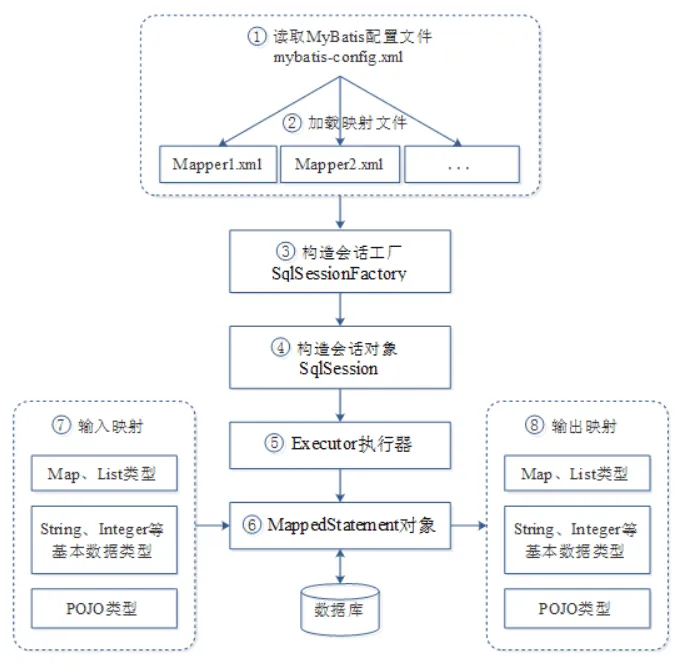 组件介绍:
组件介绍: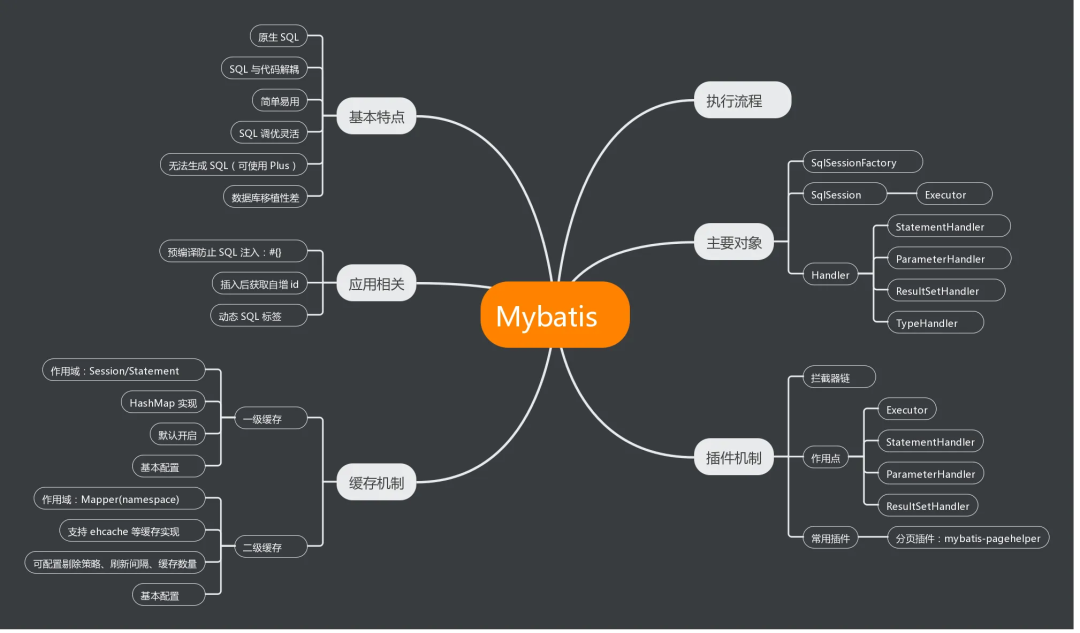
JdbcTemplate的batchUpdate SqlSessionFactory的批处理
下面正式开始
准备工作
建表语句
比较简单
CREATE TABLE `demo` (
  `name` varchar(32) DEFAULT NULL,
  `age` int(10) DEFAULT NULL,
  `time` datetime DEFAULT NULL
) ENGINE=InnoDB DEFAULT CHARSET=utf8;
引入Mysql相关依赖
  <dependency>
        <groupId>com.baomidou</groupId>
        <artifactId>mybatis-plus-boot-starter</artifactId>
        <version>3.0.7</version>
    </dependency>
    <dependency>
        <groupId>org.springframework.boot</groupId>
        <artifactId>spring-boot-starter-jdbc</artifactId>
    </dependency>
    <dependency>
        <groupId>mysql</groupId>
        <artifactId>mysql-connector-java</artifactId>
        <version>5.1.48</version>
    </dependency>
定义数据源配置信息
注意:url后面添加
rewriteBatchedStatements=true
参数,不然批量无效
spring:
  application:
    name: test
  datasource:
    mysql:
      jdbcUrl: jdbc:mysql://127.0.0.1:3306/quartz?useUnicode=true&characterEncoding=utf-8&useSSL=false&rewriteBatchedStatements=true
      username: root
      password: root
      driver-class-name: com.mysql.jdbc.Driver
      initialSize: 5
      minIdle: 2
      maxIdle: 5
      maxActive: 10
      maxWait: 60000
      timeBetweenEvictionRunsMillis: 60000
      minEvictableIdleTimeMillis: 300000
      validationQuery: SELECT 1 FROM DUAL
      testWhileIdle: true
      testOnBorrow: false
      testOnReturn: false
      poolPreparedStatements: true
      maxPoolPreparedStatementPerConnectionSize: 20

mybatis:
  mapper-locations: classpath:mapper/*.xml
初始化数据源
@Configuration
@MapperScan(basePackages = "com.test.dao.mapper.mysql",sqlSessionFactoryRef = "mysqlSessionFactory")
public class MysqlDataSourceConfig {

    @Bean(name = "mysqlDataSource")
    @Qualifier("mysqlDataSource")
    @ConfigurationProperties(prefix = "spring.datasource.mysql")
    public DataSource primaryDataSource() {
        return DataSourceBuilder.create().build();
    }

    @Bean(name = "mysqlJdbcTemplate")
    public JdbcTemplate primaryJdbcTemplate(
            @Qualifier("mysqlDataSource") DataSource dataSource) {
        return new JdbcTemplate(dataSource);
    }
}
@Configuration
public class MybatisPlusConfig {
    /**
     * 配置分页插件
     * @return
     */
    @Bean
    public PaginationInterceptor paginationInterceptor() {
        return new PaginationInterceptor();
    }

    /**
     * 配置公共库数据源
     * @return
     * @throws Exception
     */
    @Bean(name = "mysqlSessionFactory")
    public SqlSessionFactory sqlSessionFactory(@Qualifier("mysqlDataSource") DataSource dataSource) throws Exception {
        SqlSessionFactoryBean sqlSessionFactoryBean = new SqlSessionFactoryBean();
        sqlSessionFactoryBean.setDataSource(dataSource);
        //此处设置为了解决找不到mapper文件的问题
        sqlSessionFactoryBean.setMapperLocations(new PathMatchingResourcePatternResolver().getResources("classpath*:mapper/mysql/*.xml"));

        //添加分页功能
        sqlSessionFactoryBean.setPlugins(new Interceptor[]{
                paginationInterceptor()
        });
        //map接收返回值值为null的问题,默认是当值为null,将key返回
        MybatisConfiguration configuration = new MybatisConfiguration();
        configuration.setCallSettersOnNulls(true);
        sqlSessionFactoryBean.setConfiguration(configuration);
        return sqlSessionFactoryBean.getObject();
    }

    @Bean("mySqlSessionTemplate")
    public SqlSessionTemplate mySqlSessionTemplate(
            @Qualifier("mysqlSessionFactory") SqlSessionFactory sessionfactory) {
        return new SqlSessionTemplate(sessionfactory);
    }
}
代码演示
1.定义mapper
<?xml version="1.0" encoding="UTF-8" ?>
<!DOCTYPE mapper PUBLIC "-//mybatis.org//DTD Mapper 3.0//EN" "http://mybatis.org/dtd/mybatis-3-mapper.dtd" >
<mapper namespace="com.test.mapper.DemoMapper">
    <insert id="forEachInsert">
        INSERT INTO demo(name,age,time)  VALUES
        <foreach collection="list" item="item" index="index" separator=",">
            (#{item.name},#{item.age},#{item.time})
        </foreach>
    </insert>
    <insert id="insert">
        INSERT INTO demo(name,age,time)  VALUES (#{name},#{age},#{time})
    </insert>

</mapper>
2.持久层
public interface DemoMapper {
    void forEachInsert(@Param("list") List<Demo> list);

    void insert(Demo demo);
}
3.控制层
注意:
1.小编这里简化,直接在控制层调用了持久层,实际中间还有业务层
2.案例里包含了Mybatis,JdbcTemplate,SqlSessionFactory三种
    public static int count = 10000;
    @Autowired
    JdbcTemplate mysqlJdbcTemplate;
    @Autowired
    private DemoMapper mapper;
    @Autowired
    SqlSessionFactory sqlSessionFactory;


    @GetMapping("/jdbcTemplateInsert")
    public void jdbcTemplateInsert() throws Exception {
        List<Object[]> list = new ArrayList<>();
        for(int i=0;i<count;i++){
            list.add(new Object[]{"一安未来"+i,i,"2022-8-29 22:22:22"});
        }
        StopWatch sw = new StopWatch();
        sw.start();
        String sql = "insert into demo(name,age,time)  VALUES (?,?,?)";
        batchUpdate(sql,list);
        sw.stop();
        System.out.println(sw.getTotalTimeMillis());
    }

    private  void batchUpdate(String subscribeSQL, List<Object[]> batchArgs) throws Exception {
        int batchsix = 2000;
        if (batchArgs.size() > 0 && batchArgs.size() < batchsix) {
            mysqlJdbcTemplate.batchUpdate(subscribeSQL, batchArgs);
        } else if (batchArgs.size() > 0 && batchArgs.size() > batchsix) {
            int len = batchArgs.size() / batchsix;
            for (int i = 0; i <= len; i++) {
                List<Object[]> batchArgtemp = new ArrayList<Object[]>();
                if (i == len) {
                    batchArgtemp = batchArgs.subList((i) * batchsix,
                            batchArgs.size());
                } else {
                    batchArgtemp = batchArgs.subList((i) * batchsix, (i + 1)
                            * batchsix);
                }
                mysqlJdbcTemplate.batchUpdate(subscribeSQL, batchArgtemp);
            }
        }
    }

    @GetMapping("/forEachInsert")
    public void forEachInsert(){
        List<Demo> list = new ArrayList<>();
        for(int i=0;i<count;i++){
            Demo demo = new Demo();
            demo.setName("一安未来"+i);
            demo.setAge(i);
            demo.setTime("2022-8-29 22:22:22");
            list.add(demo);
        }
        StopWatch sw = new StopWatch();
        sw.start();
        mapper.forEachInsert(list);
        sw.stop();
        System.out.println(sw.getTotalTimeMillis());
    }

    @GetMapping("/sqlSessionFactoryInsert")
    public void sqlSessionFactoryInsert(){
        List<Demo> list = new ArrayList<>();
        for(int i=0;i<count;i++){
            Demo demo = new Demo();
            demo.setName("一安未来"+i);
            demo.setAge(i);
            demo.setTime("2022-8-29 22:22:22");
            list.add(demo);
        }
        StopWatch sw = new StopWatch();
        sw.start();
        SqlSession sqlSession = sqlSessionFactory.openSession(ExecutorType.BATCH, false);
        DemoMapper mapper = sqlSession.getMapper(DemoMapper.class);
        for(Demo demo:list){
            mapper.insert(demo);
        }
        sqlSession.flushStatements();
        sw.stop();
        System.out.println(sw.getTotalTimeMillis());

    }
4.测试结果
测试1:
| 方式\耗时 | 1 | 2 | 3 | 4 | 5 |
|---|---|---|---|---|---|
| Mybatis | 503 | 550 | 570 | 517 | 436 |
| JdbcTemplate | 309 | 361 | 252 | 300 | 220 |
| SqlSessionFactory | 392 | 398 | 317 | 259 | 294 |
批量1w数据:Mybatis平均515.2ms;JdbcTemplate平均288.4;SqlSessionFactory平均332ms
测试2:
| 方式\耗时 | 1 | 2 | 3 | 4 | 5 |
|---|---|---|---|---|---|
| Mybatis | 916 | 823 | 864 | 814 | 871 |
| JdbcTemplate | 518 | 413 | 385 | 461 | 408 |
| SqlSessionFactory | 675 | 611 | 547 | 605 | 738 |
批量2w数据:Mybatis平均857.6ms;JdbcTemplate平均437ms;SqlSessionFactory平均635.2ms
总结
mybatis批量写入数据效率相对其他两种最低,而且使用时有大段的xml和sql语句要写,很容易出错 JdbcTemplate循环批量写入数据效率相对其他两种最高 SqlSessionFactory循环批量写入数据效率居中
号外!号外!
如果这篇文章对你有所帮助,或者有所启发的话,帮忙点赞、在看、转发、收藏,你的支持就是我坚持下去的最大动力!

SpringBoot集成Kafka - 用Multi-Consumer实现数据高吞吐

文章转载自一安未来,如果涉嫌侵权,请发送邮件至:contact@modb.pro进行举报,并提供相关证据,一经查实,墨天轮将立刻删除相关内容。
