



TiDB sqlparser源码阅读(一)
文件树结构
parser
ast
ast.go
ddl.go
dml.go
expression.go
flag.go
functions.go
misc.go
stats.go
auth
charset
format
goyacc
model
ddl.go
flags.go
model.go
mysql
opcode
terror
types
lexer.go
misc.go
parser.go
parser.y
yy_parser.go
模块说明
主要说明相关的ast和model部分的代码用途,并介绍主要的相关接口和类,相关的yacc部分和整体sql层整体框架可以参考TiDB 源码阅读系列文章(五)TiDB SQL Parser 的实现
parser.ast
抽象语法树(Abstract Syntax Tree,AST),或简称语法树(Syntax tree),是源代码语法结构的一种抽象表示。它以树状的形式表现编程语言的语法结构,树上的每个节点都表示源代码中的一种结构。
这部分是主要的语法解析部分,mysql sql语句主要包括以下几种:
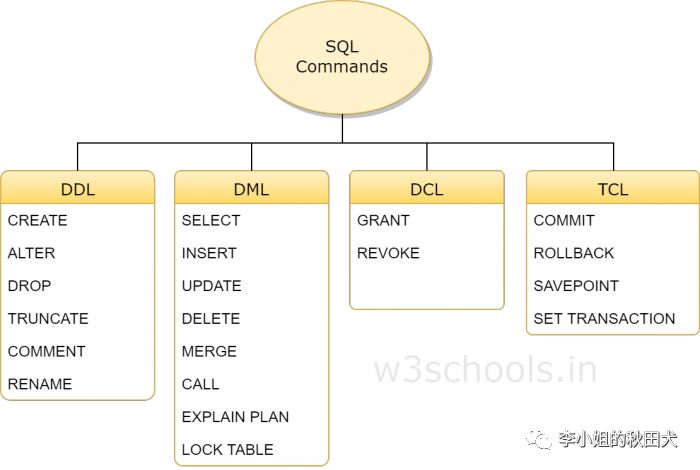
tidb主要的语法解析为ddl和dml
ddl
资料定义语言(Data Definition Language,DDL)是SQL语言集中负责资料结构定义与资料库物件定义的语言,由CREATE、ALTER与DROP三个语法所组成,最早是由Codasyl(Conference on Data Systems Languages)资料模型开始,现在被纳入SQL指令中作为其中一个子集。
dml
数据操纵语言(Data Manipulation Language, DML)是用于资料库操作,对资料库其中的物件和资料执行存取工作的编程语句,通常是资料库专用编程语言之中的一个子集,例如在资讯软体产业通行标准的SQL语言中,以INSERT、UPDATE、DELETE三种指令为核心,分别代表插入(意指新增或创建)、更新(修改)与删除(销毁)。在使用资料库的系统开发过程中,其中应用程式必然会使用的指令;而加上 SQL的SELECT语句,欧美地区的开发人员把这四种指令,以“CRUD”(分别为 Create, Read, Update, Delete英文四字首字母缩略的术语)来称呼;而亚洲地区使用汉语的开发人员,或可能以四个汉字:增 查 改 删 来略称。
主要接口
Node: ast中的一个抽象节点
// Node is the basic element of the AST.
// Interfaces embed Node should have 'Node' name suffix.
type Node interface {
    // Restore returns the sql text from ast tree
    Restore(ctx *RestoreCtx) error
    // Accept accepts Visitor to visit itself.
    // The returned node should replace original node.
    // ok returns false to stop visiting.
    //
    // Implementation of this method should first call visitor.Enter,
    // assign the returned node to its method receiver, if skipChildren returns true,
    // children should be skipped. Otherwise, call its children in particular order that
    // later elements depends on former elements. Finally, return visitor.Leave.
    Accept(v Visitor) (node Node, ok bool)
    // Text returns the original text of the element.
    Text() string
    // SetText sets original text to the Node.
    SetText(text string)
}
StmtNode: ast中的语句节点(包括完整的语句和子语句),实现了Node接口
// StmtNode represents statement node.
// Name of implementations should have 'Stmt' suffix.
type StmtNode interface {
    Node
    statement()
}
DDLNode: ast中的ddl节点,实现了Stmt接口
// DDLNode represents DDL statement node.
type DDLNode interface {
    StmtNode
    ddlStatement()
}
DMLNode: ast中的dml节点,实现了Stmt接口
// DMLNode represents DML statement node.
type DMLNode interface {
    StmtNode
    dmlStatement()
}
parser.ast.ddl
ddl主要处理包括与数据库、表结构约束schema相关的sql的处理 其中主要包括的是alter,create database,create index,drop,rename,truncate等相关的操作 其处理的相关语句根据ddl.go开始的声明可以看出
var (
    _ DDLNode = &AlterTableStmt{}
    _ DDLNode = &CreateDatabaseStmt{}
    _ DDLNode = &CreateIndexStmt{}
    _ DDLNode = &CreateTableStmt{}
    _ DDLNode = &CreateViewStmt{}
    _ DDLNode = &DropDatabaseStmt{}
    _ DDLNode = &DropIndexStmt{}
    _ DDLNode = &DropTableStmt{}
    _ DDLNode = &RenameTableStmt{}
    _ DDLNode = &TruncateTableStmt{}

    _ Node = &AlterTableSpec{}
    _ Node = &ColumnDef{}
    _ Node = &ColumnOption{}
    _ Node = &ColumnPosition{}
    _ Node = &Constraint{}
    _ Node = &IndexColName{}
    _ Node = &ReferenceDef{}
)
该文件主要包含相关的Stmt处理和相应的各类Option
parser.ast.dml
dml主要处理CRUD相关的操作,包括delete,insert,union,update,select,show,以及相关的group by,join,limit,order by等操作 相关操作亦可从dml.go开头的声明处窥见
var (
    _ DMLNode = &DeleteStmt{}
    _ DMLNode = &InsertStmt{}
    _ DMLNode = &UnionStmt{}
    _ DMLNode = &UpdateStmt{}
    _ DMLNode = &SelectStmt{}
    _ DMLNode = &ShowStmt{}
    _ DMLNode = &LoadDataStmt{}
    _ DMLNode = &SplitRegionStmt{}

    _ Node = &Assignment{}
    _ Node = &ByItem{}
    _ Node = &FieldList{}
    _ Node = &GroupByClause{}
    _ Node = &HavingClause{}
    _ Node = &Join{}
    _ Node = &Limit{}
    _ Node = &OnCondition{}
    _ Node = &OrderByClause{}
    _ Node = &SelectField{}
    _ Node = &TableName{}
    _ Node = &TableRefsClause{}
    _ Node = &TableSource{}
    _ Node = &UnionSelectList{}
    _ Node = &WildCardField{}
    _ Node = &WindowSpec{}
    _ Node = &PartitionByClause{}
    _ Node = &FrameClause{}
    _ Node = &FrameBound{}
)
dml中的部分主要类举例
SelectStmt: select语句相关处理类,实现了DMLNode
// SelectStmt represents the select query node.
// See https://dev.mysql.com/doc/refman/5.7/en/select.html
type SelectStmt struct {
    dmlNode
    resultSetNode

    // SelectStmtOpts wraps around select hints and switches.
    *SelectStmtOpts
    // Distinct represents whether the select has distinct option.
    Distinct bool
    // From is the from clause of the query.
    From *TableRefsClause
    // Where is the where clause in select statement.
    Where ExprNode
    // Fields is the select expression list.
    Fields *FieldList
    // GroupBy is the group by expression list.
    GroupBy *GroupByClause
    // Having is the having condition.
    Having *HavingClause
    // WindowSpecs is the window specification list.
    WindowSpecs []WindowSpec
    // OrderBy is the ordering expression list.
    OrderBy *OrderByClause
    // Limit is the limit clause.
    Limit *Limit
    // LockTp is the lock type
    LockTp SelectLockType
    // TableHints represents the table level Optimizer Hint for join type
    TableHints []*TableOptimizerHint
    // IsAfterUnionDistinct indicates whether it's a stmt after "union distinct".
    IsAfterUnionDistinct bool
    // IsInBraces indicates whether it's a stmt in brace.
    IsInBraces bool
}
UpdateStmt: update相关语句,实现了DMLNode
// UpdateStmt is a statement to update columns of existing rows in tables with new values.
// See https://dev.mysql.com/doc/refman/5.7/en/update.html
type UpdateStmt struct {
    dmlNode

    TableRefs     *TableRefsClause
    List          []*Assignment
    Where         ExprNode
    Order         *OrderByClause
    Limit         *Limit
    Priority      mysql.PriorityEnum
    IgnoreErr     bool
    MultipleTable bool
    TableHints    []*TableOptimizerHint
}
parse.model
model模块主要是相关的sql对应的数据结构定义和Job操作任务结构的定义
parse.model.model.go
model.go中主要包含相关schema的元信息描述结构,例如库信息DbInfo,表信息TableInfo,列信息ColumnInfo,视图信息ViewInfo,表锁信息LockInfo等。具体结构举例如下:
库信息DbInfo
// DBInfo provides meta data describing a DB.
type DBInfo struct {
    ID      int64        `json:"id"`      // Database ID
    Name    CIStr        `json:"db_name"` // DB name.
    Charset string       `json:"charset"`
    Collate string       `json:"collate"`
    Tables  []*TableInfo `json:"-"` // Tables in the DB.
    State   SchemaState  `json:"state"`
}
表信息TableInfo
// TableInfo provides meta data describing a DB table.
type TableInfo struct {
    ID      int64  `json:"id"`
    Name    CIStr  `json:"name"`
    Charset string `json:"charset"`
    Collate string `json:"collate"`
    // Columns are listed in the order in which they appear in the schema.
    Columns     []*ColumnInfo `json:"cols"`
    Indices     []*IndexInfo  `json:"index_info"`
    ForeignKeys []*FKInfo     `json:"fk_info"`
    State       SchemaState   `json:"state"`
    PKIsHandle  bool          `json:"pk_is_handle"`
    Comment     string        `json:"comment"`
    AutoIncID   int64         `json:"auto_inc_id"`
    MaxColumnID int64         `json:"max_col_id"`
    MaxIndexID  int64         `json:"max_idx_id"`
    // UpdateTS is used to record the timestamp of updating the table's schema information.
    // These changing schema operations don't include 'truncate table' and 'rename table'.
    UpdateTS uint64 `json:"update_timestamp"`
    // OldSchemaID :
    // Because auto increment ID has schemaID as prefix,
    // We need to save original schemaID to keep autoID unchanged
    // while renaming a table from one database to another.
    // TODO: Remove it.
    // Now it only uses for compatibility with the old version that already uses this field.
    OldSchemaID int64 `json:"old_schema_id,omitempty"`

    // ShardRowIDBits specify if the implicit row ID is sharded.
    ShardRowIDBits uint64
    // MaxShardRowIDBits uses to record the max ShardRowIDBits be used so far.
    MaxShardRowIDBits uint64 `json:"max_shard_row_id_bits"`
    // PreSplitRegions specify the pre-split region when create table.
    // The pre-split region num is 2^(PreSplitRegions-1).
    // And the PreSplitRegions should less than or equal to ShardRowIDBits.
    PreSplitRegions uint64 `json:"pre_split_regions"`

    Partition *PartitionInfo `json:"partition"`

    Compression string `json:"compression"`

    View *ViewInfo `json:"view"`
    // Lock represent the table lock info.
    Lock *TableLockInfo `json:"Lock"`

    // Version means the version of the table info.
    Version uint16 `json:"version"`
}
parser.model.ddl.go
ddl.go中主要包含了相关ddl语句所形成的逻辑job结构,这是从ddlsql形成第一步的job产生的逻辑操作集合,是sql和存储native api之间的连接桥梁。
由sql形成job序列,再经由逻辑优化和代价优化后会形成最后的job集合,按照job序列依次调用存储模块的接口并使用算子进行计算。其主要任务结构Job定义如下:
// Job is for a DDL operation.
type Job struct {
    ID       int64         `json:"id"`
    Type     ActionType    `json:"type"`
    SchemaID int64         `json:"schema_id"`
    TableID  int64         `json:"table_id"`
    State    JobState      `json:"state"`
    Error    *terror.Error `json:"err"`
    // ErrorCount will be increased, every time we meet an error when running job.
    ErrorCount int64 `json:"err_count"`
    // RowCount means the number of rows that are processed.
    RowCount int64         `json:"row_count"`
    Mu       sync.Mutex    `json:"-"`
    Args     []interface{} `json:"-"`
    // RawArgs : We must use json raw message to delay parsing special args.
    RawArgs     json.RawMessage `json:"raw_args"`
    SchemaState SchemaState     `json:"schema_state"`
    // SnapshotVer means snapshot version for this job.
    SnapshotVer uint64 `json:"snapshot_ver"`
    // StartTS uses timestamp allocated by TSO.
    // Now it's the TS when we put the job to TiKV queue.
    StartTS uint64 `json:"start_ts"`
    // DependencyID is the job's ID that the current job depends on.
    DependencyID int64 `json:"dependency_id"`
    // Query string of the ddl job.
    Query      string       `json:"query"`
    BinlogInfo *HistoryInfo `json:"binlog"`

    // Version indicates the DDL job version. For old jobs, it will be 0.
    Version int64 `json:"version"`

    // ReorgMeta is meta info of ddl reorganization.
    // This field is depreciated.
    ReorgMeta *DDLReorgMeta `json:"reorg_meta"`

    // Priority is only used to set the operation priority of adding indices.
    Priority int `json:"priority"`
}
